Japanese last names offer a fascinating glimpse into the country’s landscapes, family histories, and cultural traditions. Some evoke mountains and forests, others recall rice fields, rivers, bridges, or places where generations of families once lived. Even a familiar surname can carry a quiet sense of history.
If you’re researching Japanese family names, creating an anime character, choosing a surname for a novel, exploring your heritage, or simply curious about Japanese culture, the most common surnames are a wonderful place to begin.
The key is to look beyond how a name sounds. Its kanji (Japanese characters), pronunciation, regional history, and cultural associations can all add depth. Below, you’ll discover Japan’s most common last names, their commonly understood meanings, and the distinctive impressions they can create.
Featured snippet: The most common Japanese last names include Sato (佐藤), Suzuki (鈴木), Takahashi (高橋), Tanaka (田中), Ito (伊藤), Watanabe (渡辺), Yamamoto (山本), Nakamura (中村), Kobayashi (小林), and Kato (加藤). These surnames are widely used in Japan, and many have connections to geographical features, landscapes, or historical family traditions.
The 20 Most Common Japanese Last Names
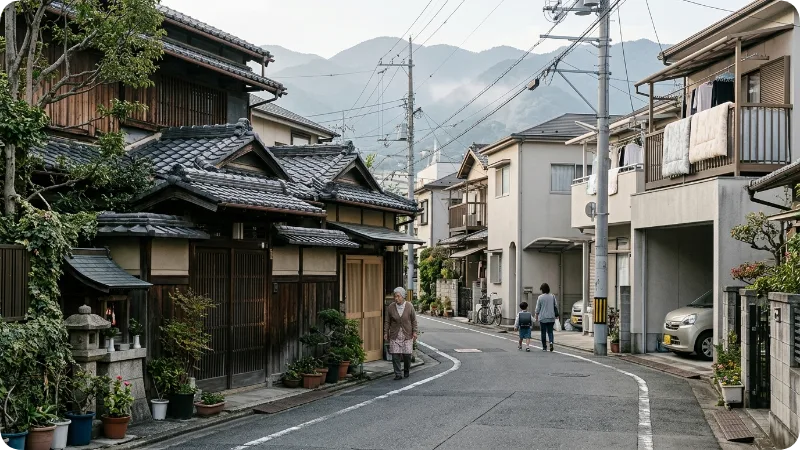
The following ranking uses surname estimates published by Myoji Yurai.net, based on government statistics and telephone directory data. Population estimates are approximate, not exact census counts.
| Rank | Japanese surname | Kanji | Approx. people |
| 1 | Sato | 佐藤 | 1,798,000 |
| 2 | Suzuki | 鈴木 | 1,745,000 |
| 3 | Takahashi | 高橋 | 1,361,000 |
| 4 | Tanaka | 田中 | 1,293,000 |
| 5 | Ito | 伊藤 | 1,037,000 |
| 6 | Watanabe | 渡辺 | 1,028,000 |
| 7 | Yamamoto | 山本 | 1,013,000 |
| 8 | Nakamura | 中村 | 1,011,000 |
| 9 | Kobayashi | 小林 | 996,000 |
| 10 | Kato | 加藤 | 861,000 |
| 11 | Yoshida | 吉田 | 801,000 |
| 12 | Yamada | 山田 | 787,000 |
| 13 | Sasaki | 佐々木 | 644,000 |
| 14 | Yamaguchi | 山口 | 622,000 |
| 15 | Matsumoto | 松本 | 606,000 |
| 16 | Inoue | 井上 | 595,000 |
| 17 | Kimura | 木村 | 556,000 |
| 18 | Hayashi | 林 | 528,000 |
| 19 | Saito | 斎藤 | 524,000 |
| 20 | Shimizu | 清水 | 516,000 |
Source: Myoji Yurai.net national surname ranking. Estimates can change over time, and alternative databases may report different figures.
These names are useful starting points if you want a surname that sounds recognizably Japanese. However, common does not mean ordinary in every context: each name has its own visual character, regional distribution, and possible family history.
Meanings and Origins of the Top 10 Japanese Surnames
Japanese surnames often combine kanji whose individual meanings are understandable, but their original family name etymologies can be more complicated. The interpretations below explain the characters and common associations rather than claiming that every family with a surname shares the same origin.
1. Sato (佐藤) — A classic Japanese surname
Meaning: The characters are commonly associated with “help” or “assist” (佐) and “wisteria” (藤).
Origin: A surname associated historically with Fujiwara related naming traditions, although individual family origins vary.
Pronunciation: Sah toh
Vibe: Traditional, balanced, familiar, and understated.
Best for: Realistic contemporary characters, family history research, and classic Japanese naming.
Sato ranks first in the referenced national surname estimates. Its familiar sound makes it a natural choice for a modern Japanese character without drawing too much attention to the surname itself.
2. Suzuki (鈴木) — The sound of tradition
Meaning: “Bell” (鈴) and “tree” (木).
Origin: Traditionally associated with the Kii region, in present day Wakayama Prefecture, and local religious traditions.
Pronunciation: Soo zoo kee
Vibe: Lively, approachable, recognizable, and grounded.
Best for: Everyday characters, contemporary fiction, and realistic Japanese family names.
Suzuki is one of Japan’s most recognizable surnames. Its written characters also create a memorable visual combination of nature and a familiar traditional object. Its historical origin is more nuanced than the literal character translation suggests.
3. Takahashi (高橋) — Strength and elevation
Meaning: “High” or “tall” (高) and “bridge” (橋).
Origin: A geographical style surname that may have developed in connection with elevated bridges or local place names.
Pronunciation: Tah kah hah shee
Vibe: Strong, composed, established, and dignified.
Best for: Protagonists, professional characters, and traditional family settings.
Takahashi has an especially clear visual meaning. The image of a bridge suggests connection and passage, although those ideas are modern interpretations rather than verified meanings attached to every family bearing the name.
4. Tanaka (田中) — The heart of the countryside
Meaning: “Rice field” (田) and “middle” or “inside” (中).
Origin: A geographical surname connected with rice fields or locations within agricultural land.
Pronunciation: Tah nah kah
Vibe: Earthy, calm, familiar, and down to earth.
Best for: School stories, slice of life anime, family dramas, and realistic fiction.
Tanaka is an excellent example of how the landscape has influenced Japanese family names. Its simple, compact spelling also makes it easy to remember.
5. Ito (伊藤) — Short, elegant, and timeless
Meaning: The characters do not translate into a single natural English phrase; 藤 is associated with wisteria.
Origin: A surname with historical connections to Fujiwara related naming traditions, though origins differ by family.
Pronunciation: Ee toh
Vibe: Minimalist, polished, gentle, and sophisticated.
Best for: Short character names, contemporary fiction, and clean, understated aesthetics.
Ito is especially appealing if you like short Japanese surnames. Its restrained sound pairs well with longer given names, while its kanji offers a traditional visual identity.
6. Watanabe (渡辺) — A surname with a sense of movement
Meaning: 渡 can suggest crossing or ferrying; 辺 can mean an area or vicinity.
Origin: Historically associated with place based naming and established family lineages.
Pronunciation: Wah tah nah beh
Vibe: Traditional, substantial, confident, and mature.
Best for: Historical fiction, family sagas, and realistic adult characters.
Watanabe has a longer, flowing rhythm than Sato or Ito. Alternate spellings of the surname’s kanji also exist, so the exact written form matters when researching a particular family.
7. Yamamoto (山本) — Rooted in the mountains
Meaning: “Mountain” (山) and “base” or “origin” (本).
Origin: Often associated with places near the base of a mountain or with local geographical features.
Pronunciation: Yah mah moh toh
Vibe: Steady, grounded, classic, and quietly strong.
Best for: Nature themed characters, family stories, and traditional settings.
Yamamoto has an earthy visual identity. For fictional naming, it can pair particularly well with given names that have celestial, floral, or water related imagery.
8. Nakamura (中村) — The village at the center
Meaning: “Middle” (中) and “village” (村).
Origin: A geographical surname associated with villages and settlements.
Pronunciation: Nah kah moo rah
Vibe: Warm, stable, familiar, and community oriented.
Best for: Everyday protagonists, family centered stories, and contemporary Japanese settings.
Nakamura feels approachable rather than overly dramatic. It works well when a character’s personality, rather than their surname, should command attention.
9. Kobayashi (小林) — Quiet woodland charm
Meaning: “Small” (小) and “forest” or “woods” (林).
Origin: A landscape related surname associated with wooded places.
Pronunciation: Koh bah yah shee
Vibe: Gentle, thoughtful, nature inspired, and quietly literary.
Best for: Soft aesthetics, nature loving characters, and slice of life fiction.
Kobayashi has a soft, rhythmic sound and an appealing natural image. It is a particularly good fit for readers drawn to forest imagery without wanting an unusual or invented surname.
10. Kato (加藤) — Compact and traditional
Meaning: 加 is associated with adding or joining, while 藤 is associated with wisteria.
Origin: A surname with historical links to Fujiwara related naming traditions; the precise origin varies by family.
Pronunciation: Kah toh
Vibe: Crisp, composed, traditional, and understated.
Best for: Short full name combinations, modern fiction, and formal character profiles.
Kato’s two syllable rhythm gives it a clean, memorable quality. Like Ito and Sato, it can balance a longer given name particularly well.
More Common Japanese Surnames Worth Knowing
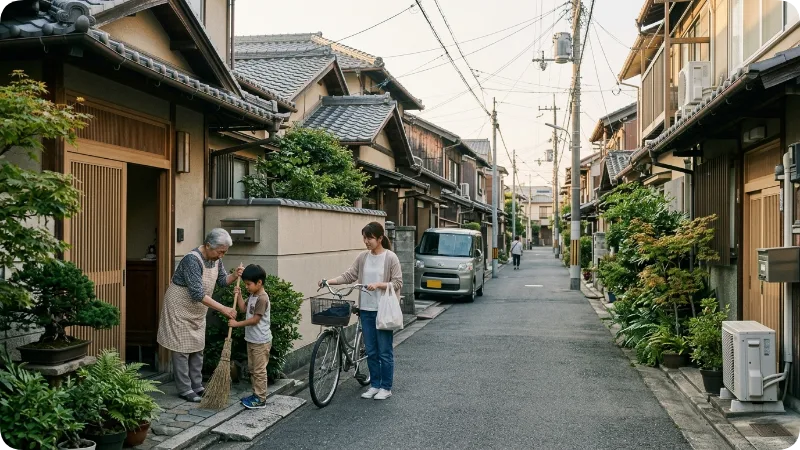
Beyond the top ten, many other Japanese surnames are widespread and culturally recognizable. These are useful alternatives if you want a realistic name with a slightly different sound or visual style.
| Surname | Kanji | Common character associations | Overall impression |
| Yoshida | 吉田 | Good fortune; rice field | Positive, classic |
| Yamada | 山田 | Mountain; rice field | Familiar, grounded |
| Sasaki | 佐々木 | The full surname has historical and family specific origins | Distinctive, rhythmic |
| Yamaguchi | 山口 | Mountain; entrance or opening | Natural, balanced |
| Matsumoto | 松本 | Pine; base or origin | Traditional, nature inspired |
| Inoue | 井上 | Well; above | Compact, understated |
| Kimura | 木村 | Tree; village | Earthy, approachable |
| Hayashi | 林 | Forest or woods | Minimalist, nature inspired |
| Saito | 斎藤 | 斎 has ritual or purification associations; 藤 is associated with wisteria | Formal, traditional |
| Shimizu | 清水 | Clear or pure; water | Fresh, gentle |
| Yamazaki | 山崎 | Mountain; promontory or slope | Strong, outdoorsy |
| Mori | 森 | Forest | Short, elegant, memorable |
| Ikeda | 池田 | Pond; rice field | Calm, natural |
| Hashimoto | 橋本 | Bridge; base or origin | Established, balanced |
| Abe | 阿部 | Historical surname; interpretation depends on lineage | Short, understated |
| Ishikawa | 石川 | Stone; river | Solid, striking |
| Ogawa | 小川 | Small; river or stream | Soft, lyrical |
| Maeda | 前田 | In front of; rice field | Familiar, traditional |
| Goto | 後藤 | 後 suggests after or behind; 藤 is associated with wisteria | Classic, distinctive |
| Kondo | 近藤 | 近 suggests near; 藤 is associated with wisteria | Traditional, confident |
These character associations are useful for understanding the written names, but they should not be treated as complete etymologies for every family. Japanese surnames can share the same pronunciation while using different kanji, and similar characters can appear in names with different historical origins.
Japanese Last Names by Meaning and Aesthetic
If you’re choosing a surname for a character, pen name, or fictional family, the meaning is only one part of the decision. Sound, written appearance, cultural fit, and the personality you want to convey matter just as much.
Nature inspired Japanese surnames
Mori (森) — Forest
Short and visually striking. Its simple kanji and nature association suit a minimalist character aesthetic.
Yamamoto (山本) — Mountain base
A grounded, established surname with a strong landscape connection.
Shimizu (清水) — Clear water
Fresh, gentle, and visually clean. A natural fit for a calm or reflective character.
Tanaka (田中) — Within the rice fields
Familiar and grounded, with associations rooted in Japan’s agricultural landscape.
Elegant and minimalist Japanese surnames
These names are especially appealing when you want a surname that looks clean on a page, fits comfortably into a username, or pairs well with a longer given name.
| Surname | Kanji | Aesthetic impression |
| Ito | 伊藤 | Refined and understated |
| Sato | 佐藤 | Classic and balanced |
| Kato | 加藤 | Crisp and composed |
| Mori | 森 | Minimalist and nature inspired |
| Abe | 阿部 | Short and understated |
| Inoue | 井上 | Smooth and traditional |
These are aesthetic impressions, not established cultural personality traits. None of these surnames inherently makes a person elegant, mysterious, powerful, or gentle.
Strong and traditional Japanese surnames
For a historical novel, family saga, or anime character who needs a grounded and recognizable surname, consider:
- Takahashi (高橋): A substantial name with the visual image of a high bridge.
- Watanabe (渡辺): A longer, flowing surname with historical depth.
- Yamamoto (山本): Strong and landscape oriented.
- Matsumoto (松本): Traditional, with pine tree associations.
- Hashimoto (橋本): A balanced name featuring the character for bridge.
- Saito (斎藤): A traditional surname with a formal visual appearance.
These names are all established surnames, rather than invented fantasy names. For historical fiction, however, check the character’s period, family background, and region before settling on one.
How Japanese Last Names Work
Japanese surnames are more than decorative labels. Their spelling, pronunciation, and family history can offer clues about geography and heritage.
Kanji can change the meaning
Kanji are characters that carry meaning, but surnames are inherited names rather than simple phrases. Translating each character separately can be helpful, yet it does not necessarily reveal the actual origin of a particular family.
For example:
- 森 (Mori): The character means forest.
- 田中 (Tanaka): The characters are associated with rice fields and the middle or inside.
- 高橋 (Takahashi): The characters suggest a high or tall bridge.
- 清水 (Shimizu): The characters suggest clear or pure water.
- 鈴木 (Suzuki): The characters mean bell and tree, but the historical surname origin is more complex.
Pronunciation and spelling matter
Japanese surnames are commonly written in kanji, while romanized spellings use the Latin alphabet. Long vowels may be shown with a macron, as in Satō, or omitted in everyday English language writing, as in Sato.
Some surnames also have alternative kanji spellings or multiple possible readings. If you’re researching a real ancestor or choosing a historically accurate character name, verify the exact spelling rather than relying on romanization alone.
Japanese surnames usually come before given names
In traditional Japanese name order, the family name comes first, followed by the given name. In international contexts, Japanese people may use the Western order instead.
For instance, a fictional person named Haruto Sato might be written as Sato Haruto in Japanese name order.
This distinction is particularly useful when researching Japanese public figures, reading Japanese literature, or creating a character whose name needs to feel natural.
Choosing the Right Japanese Surname for a Character
A common surname can be more effective than a rare one if your goal is realism. Start with the kind of character you’re creating, then consider the name’s sound, kanji, and cultural context.
| Character or naming goal | Surnames to consider | Why they work |
| Everyday modern protagonist | Sato, Tanaka, Nakamura | Familiar and realistic |
| Nature loving character | Mori, Kobayashi, Yamamoto | Clear woodland or mountain associations |
| Calm, understated character | Ito, Inoue, Shimizu | Compact or flowing sound |
| Strong, established family | Takahashi, Watanabe, Hashimoto | Substantial rhythm and traditional feel |
| Short full name combination | Mori, Ito, Kato, Abe | Brief surname structure |
| Historical or family drama | Saito, Yoshida, Matsumoto | Established traditional surnames |
What about lucky numbers, colors, and zodiac signs?
Japanese surnames do not have universally verified lucky numbers, gemstones, colors, weekdays, or zodiac signs. Those associations may be assigned through modern numerology, astrology, or fictional worldbuilding, but they should not be presented as authentic facts about a surname.
If you’re naming a fictional character, you can give them a personal color or symbolic gemstone as part of their story. Keep that creative interpretation separate from the surname’s documented linguistic and historical background.
Likewise, surnames generally do not have a gender. A common Japanese family name can be shared by people of different genders, and its suitability for a male or female character depends more on the full name and the character’s context than on the surname itself.
Frequently Asked Questions
What is the most common Japanese last name?
Sato (佐藤) is ranked first in the referenced Myoji Yurai.net national surname estimates, followed by Suzuki (鈴木) and Takahashi (高橋). Exact population estimates vary by source and date.
What are the top five most common Japanese surnames?
The top five in the referenced ranking are Sato (佐藤), Suzuki (鈴木), Takahashi (高橋), Tanaka (田中), and Ito (伊藤).
What Japanese last names have nature related meanings?
Mori (森) means forest, Kobayashi (小林) is associated with small woods, Yamamoto (山本) with a mountain base, and Shimizu (清水) with clear water. Tanaka (田中) has associations with rice fields. These are character based interpretations rather than definitive origins for every family.
Are Japanese surnames written before first names?
Yes. Japanese names traditionally place the family name first and the given name second. Western order is also used in some international settings.
Can I use a common Japanese surname for an anime character?
Yes. Common surnames such as Sato, Suzuki, Tanaka, and Takahashi can work well for realistic characters. Choose the surname based on the character’s background and setting, and avoid treating a name as a shortcut for a personality or stereotype.
Why do some Japanese surnames have different meanings?
A surname’s meaning can depend on the kanji used to write it. Different characters may share a pronunciation, and inherited surnames may have histories that cannot be explained by literal translation alone.
Are all Japanese last names common throughout Japan?
No. Some surnames are widespread nationally, while others are concentrated in particular regions or associated with specific family histories. Regional research is valuable when historical or geographic accuracy matters.
Conclusion
The most common Japanese last names offer a useful starting point for understanding Japanese naming traditions. Sato, Suzuki, Takahashi, Tanaka, and Ito are among the most widespread, while surnames such as Mori, Shimizu, Kobayashi, and Yamamoto offer memorable connections to nature and geography.
If you’re choosing a surname for a character, don’t focus on meaning alone. Consider how the surname sounds alongside the given name, how its kanji looks, and If it fits the character’s background. For genealogy, prioritize documented family records over broad interpretations of individual characters.
A good Japanese surname does not need to be rare or elaborate. Sometimes a familiar name with the right sound and cultural context is the most convincing choice.

Sophia explores the history, global origins, and deep etymology behind popular and rare names. She curates beautiful, meaningful baby name guides and historical name lists for families and researchers. She also enjoys learning new languages and traveling.