Searching for blood thinners names can feel confusing because several medicines reduce the risk of dangerous blood clots, yet they work in different ways. Some are commonly prescribed after surgery, others help prevent strokes, and some are used to treat or prevent clots in the legs or lungs.
The most important thing to understand is that blood thinners are not all the same. Knowing their generic names, brand names, and basic differences can help you understand a prescription, prepare for a medical appointment, or recognize a medicine mentioned by your healthcare professional.
This guide organizes common blood thinner names into clear categories, explains what distinguishes them, and answers frequently asked questions in straightforward language.
Important: This article is for general education, not a recommendation to start, stop, or change a medication. Blood thinners can cause serious bleeding, and the right choice depends on your medical condition and individual circumstances.
Common Blood Thinner Names at a Glance

The phrase “blood thinner” is an everyday term for medicines that reduce clotting. The two main groups are anticoagulants and antiplatelet medicines. They work differently and are prescribed for different reasons.
| Generic medicine name | Common brand name | Main category |
| Apixaban | Eliquis | Anticoagulant |
| Rivaroxaban | Xarelto | Anticoagulant |
| Dabigatran | Pradaxa | Anticoagulant |
| Edoxaban | Savaysa | Anticoagulant |
| Warfarin | Jantoven, Coumadin (brand availability varies) | Anticoagulant |
| Heparin | Various products | Anticoagulant |
| Enoxaparin | Lovenox | Anticoagulant |
| Aspirin | Various brands | Antiplatelet |
| Clopidogrel | Plavix | Antiplatelet |
| Ticagrelor | Brilinta | Antiplatelet |
| Prasugrel | Effient | Antiplatelet |
Brand names and availability differ by country. This is a general reference list, not a ranking of medicines or a recommendation for treatment.
1. Anticoagulant Blood Thinners
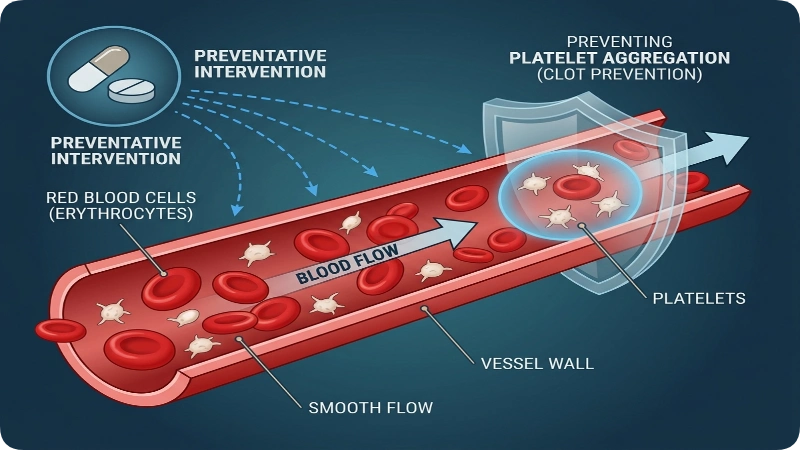
Anticoagulants interfere with the body’s clotting process. Doctors may prescribe them to treat deep vein thrombosis (DVT), treat or prevent pulmonary embolism (PE), or reduce the risk of certain strokes in people with atrial fibrillation. Some are also used for people with artificial heart valves or after particular operations.
Apixaban (Eliquis)
- Type: Direct oral anticoagulant (DOAC).
- Common uses: Preventing stroke in certain people with atrial fibrillation and treating or preventing DVT and PE.
- What to know: It is taken by mouth and can cause serious bleeding.
Rivaroxaban (Xarelto)
- Type: Direct oral anticoagulant (DOAC).
- Common uses: Treating and preventing certain blood clots and reducing stroke risk in eligible patients.
- What to know: The correct dose and whether it should be taken with food depend on the prescribed regimen.
Dabigatran (Pradaxa)
- Type: Direct oral anticoagulant (DOAC).
- Common uses: Preventing certain strokes and treating or preventing specified blood clots.
- What to know: Follow storage and dosing instructions carefully, because the formulation and prescription directions matter.
Edoxaban (Savaysa)
- Type: Direct oral anticoagulant (DOAC).
- Common uses: Certain cases of stroke prevention in atrial fibrillation and treatment of DVT or PE.
- What to know: Kidney function and other clinical factors can influence whether it is appropriate.
These four medicines are often grouped together as direct oral anticoagulants, but they are not interchangeable.
Warfarin (Jantoven or Coumadin)
Warfarin is an established oral anticoagulant used to prevent and treat blood clots. It may be prescribed for certain patients with mechanical heart valves, atrial fibrillation, DVT, or PE.
Unlike many newer anticoagulants, warfarin generally requires regular blood tests called INR tests to check its effect. Foods containing vitamin K, including leafy green vegetables, can affect treatment, so consistency and professional guidance are important.
Heparin
Heparin is an anticoagulant commonly administered by injection or intravenous infusion in medical settings. It is used in situations where anticoagulation is needed under clinical supervision, including some hospital treatments.
Its dosing and monitoring depend on the particular formulation and clinical situation.
Enoxaparin (Lovenox)
Enoxaparin is a low-molecular-weight heparin, usually given by injection. It is used to prevent or treat certain blood clots, including in some patients recovering from surgery or receiving hospital care.
2. Antiplatelet Blood Thinner Names
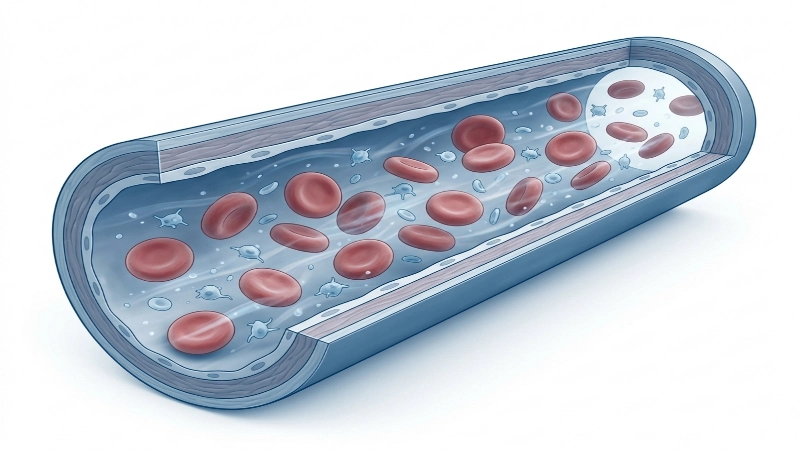
Antiplatelet medicines work by making platelets less likely to stick together. They are particularly important in the prevention or treatment of certain artery-related problems, including some heart attacks, strokes, and clots associated with coronary stents.
Aspirin
Low-dose aspirin is used as an antiplatelet medicine in selected patients, particularly when a clinician recommends it for cardiovascular prevention. It is also sold as a pain reliever at different doses.
Do not start daily aspirin solely to prevent a heart attack or stroke without medical advice. Its benefits and bleeding risks depend on your circumstances.
Clopidogrel (Plavix)
Clopidogrel reduces platelet clumping and is commonly prescribed for certain people with coronary artery disease, after a heart attack or stroke, or following placement of a coronary stent.
It may be used alone or with another antiplatelet medicine, depending on the condition being treated.
Ticagrelor (Brilinta)
Ticagrelor is an antiplatelet medicine used in selected patients with acute coronary syndrome or other specific cardiovascular indications. It can increase bleeding risk and may cause shortness of breath.
Prasugrel (Effient)
Prasugrel is an antiplatelet medicine used in selected patients undergoing certain coronary procedures. It is not suitable for everyone, and previous stroke or transient ischemic attack can be an important reason to avoid it.
3. Blood Thinners by Their Main Use
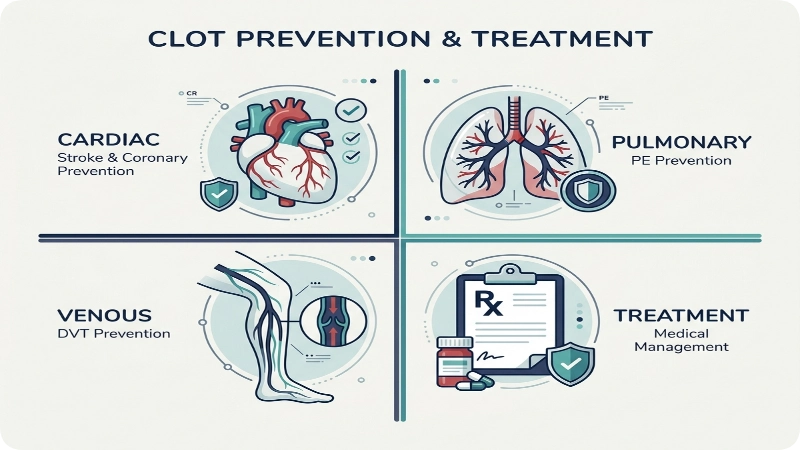
People searching for blood thinner names often want to understand which medicines are associated with a particular diagnosis. This table provides general context, not a way to choose a drug yourself.
| Medical situation | Medicines a clinician may consider |
| Atrial fibrillation and stroke prevention | Apixaban, rivaroxaban, dabigatran, edoxaban, or warfarin |
| Deep vein thrombosis (DVT) | Apixaban, rivaroxaban, dabigatran, edoxaban, warfarin, or heparin-based treatment |
| Pulmonary embolism (PE) | Several anticoagulants, depending on the clinical situation |
| Certain mechanical heart valves | Warfarin is commonly used |
| After a coronary stent | Antiplatelet medicines such as aspirin and clopidogrel, or other prescribed regimens |
| Certain heart attacks | Antiplatelet treatment, often alongside other clinician-directed therapies |
| Blood clot prevention after selected operations | An anticoagulant chosen according to the operation and individual risk |
The appropriate treatment depends on the diagnosis, kidney and liver function, other medicines, pregnancy status, bleeding risk, and other factors. Mechanical heart valves are a particularly important distinction because direct oral anticoagulants are not substitutes for warfarin in this setting.
4. Older vs. Newer Blood Thinners
Blood thinners are sometimes described as traditional or newer medicines. Understanding the distinction can help when comparing a prescription with information you find online.
| Feature | Warfarin | Direct oral anticoagulants |
| Examples | Warfarin | Apixaban, rivaroxaban, dabigatran, edoxaban |
| Administration | Oral | Oral |
| Routine monitoring | Regular INR testing is generally required | Routine INR testing is not required |
| Food considerations | Vitamin K intake should remain consistent | Food requirements vary by medicine |
| Mechanical heart valves | Commonly used | Not appropriate substitutes |
| Reversal options | Vitamin K and other clinician-directed treatments | Specific reversal options exist for some medicines |
No category is automatically best for everyone. Cost, availability, kidney function, other medications, the condition being treated, and individual bleeding risk all matter.
5. Important Safety Information About Blood Thinners
Blood thinners help prevent dangerous clots, but their main risk is bleeding. Safe treatment means knowing what to watch for and following the prescribed plan.
Common side effects
Possible side effects include:
- Bruising more easily than usual.
- Nosebleeds or bleeding gums.
- Cuts that take longer to stop bleeding.
- Heavier menstrual bleeding.
- Stomach discomfort with some medicines.
Serious bleeding may occur even when a medicine is taken correctly.
When to seek urgent medical help
Get emergency medical assistance for symptoms such as:
- Vomiting blood or material resembling coffee grounds.
- Black, tarry stools or significant blood in the stool.
- Heavy bleeding that will not stop.
- A sudden, severe headache, confusion, or new weakness.
- A serious fall or head injury while taking an anticoagulant.
Do not wait for symptoms to worsen if serious bleeding is suspected.
Medicines and supplements that need attention
Some painkillers, other blood thinners, prescription medicines, herbal products, and supplements can increase bleeding risk or change how an anticoagulant works.
Before starting a new medicine, tell your doctor or pharmacist which blood thinner you take. Do not stop or adjust a prescribed blood thinner without professional advice, because doing so can increase the risk of a dangerous clot.
6. How to Identify the Right Blood Thinner Name
If you are looking at a prescription, medicine package, or discharge summary, these steps can help you identify the drug accurately.
- Find the generic name. It is usually printed near the brand name or in the medicine’s composition details.
- Check the strength and formulation. Different strengths and formulations can have different instructions.
- Confirm the reason for treatment. The same medicine may be prescribed for different conditions.
- Check the prescribing instructions. Do not assume that two medicines with similar names can be substituted.
- Ask a pharmacist if anything is unclear. This is especially important when changing brands or transferring prescriptions between pharmacies.
In Pakistan and other markets where brands can vary, checking the generic ingredient is particularly useful. A pharmacist can confirm whether a locally available product contains the same active ingredient and strength.
Frequently Asked Questions About Blood Thinner Names
What are the most common blood thinner names?
Common anticoagulants include apixaban, rivaroxaban, dabigatran, edoxaban, warfarin, heparin, and enoxaparin. Common antiplatelet medicines include aspirin, clopidogrel, ticagrelor, and prasugrel.
What are the brand names of blood thinners?
Examples include Eliquis for apixaban, Xarelto for rivaroxaban, Pradaxa for dabigatran, Savaysa for edoxaban, Plavix for clopidogrel, and Brilinta for ticagrelor. Brand availability varies by country.
What is the difference between an anticoagulant and an antiplatelet?
Anticoagulants interfere with the blood-clotting process, while antiplatelets make platelets less likely to clump together. Both can reduce clot risk, but they have different indications and cannot automatically replace each other.
Which blood thinner is used for atrial fibrillation?
Depending on the patient’s circumstances, clinicians may prescribe apixaban, rivaroxaban, dabigatran, edoxaban, or warfarin to reduce stroke risk. The choice depends on factors such as heart valve status, kidney function, bleeding risk, and other medications.
Is aspirin considered a blood thinner?
Yes. Aspirin is commonly described as a blood thinner because it inhibits platelets. However, it is an antiplatelet medicine rather than an anticoagulant, and daily use is not appropriate for everyone.
Are there blood thinners that do not require regular INR tests?
Apixaban, rivaroxaban, dabigatran, and edoxaban generally do not require routine INR monitoring. However, clinicians may still monitor kidney function, blood counts, adherence, and other factors to ensure safe treatment.
Can blood thinners dissolve an existing clot?
Most anticoagulants do not directly dissolve an existing clot. They help prevent it from growing and reduce the risk of further clot formation while the body gradually breaks it down. Certain severe conditions may require other treatments.
Can I stop taking a blood thinner when I feel better?
No, not without consulting the prescribing clinician. Feeling better does not necessarily mean the risk of clotting has disappeared. Stopping treatment early can increase the risk of complications.
Conclusion
Knowing the names of blood thinners makes prescriptions and medical conversations easier to understand. The key medicines to recognize include apixaban, rivaroxaban, dabigatran, edoxaban, warfarin, heparin, enoxaparin, aspirin, and clopidogrel.
Remember that the most familiar name or newest medicine is not necessarily the right one for a particular person. The safest choice depends on the medical condition, the risk of clotting, the risk of bleeding, and professional guidance.
If you are trying to identify a medicine you already take, start with its generic name and confirm the ingredient, strength, and instructions with your pharmacist or doctor.

Liam tracks digital culture, internet aesthetics, and social media branding. He creates unique, memorable usernames and handles for creators who want to stand out on TikTok, Instagram, and YouTube. In his free time, he edits aesthetic short-form videos.