Last names carry history, identity, and cultural memory. When people search for “common Black last names,” they’re often looking for more than a list, they’re trying to understand patterns of heritage, identity, migration, and naming traditions across the African diaspora, especially in the United States, the Caribbean, and parts of Europe.
Many of these surnames reflect a complex history shaped by African roots, colonial systems, emancipation records, and later cultural evolution. Others are shared widely across populations due to common English, French, and Spanish surname origins adopted over time.
This guide focuses on widely recognized surnames commonly found among Black families, especially in the U.S. context, while also explaining the cultural and historical layers behind them.
Featured Snippet
Common Black last names in the United States include Williams, Johnson, Smith, Brown, Jones, Davis, Jackson, Harris, Thomas, and Robinson. These surnames are widely shared across populations but are especially common among African American families due to historical naming patterns following slavery and emancipation.
Overview: Common Black Last Names
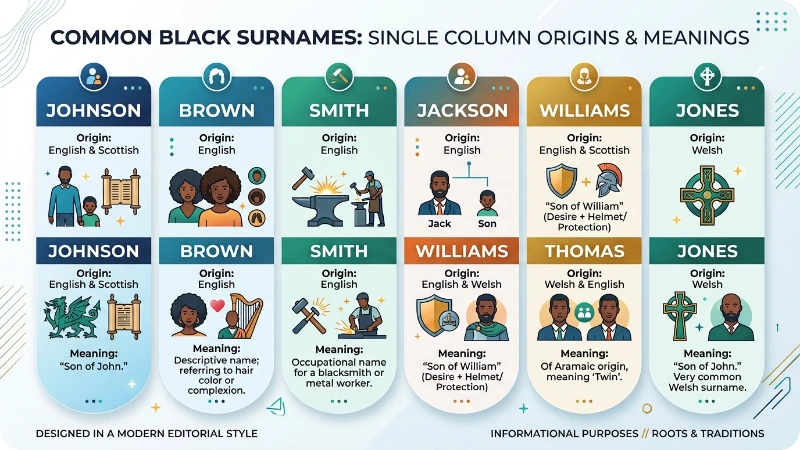
| Surname | Origin | General Meaning | Cultural Note |
| Williams | English | “Son of William” | Very widespread in African American communities |
| Johnson | English | “Son of John” | One of the most common U.S. surnames |
| Smith | English | Occupational (metal worker) | Extremely common across all groups |
| Brown | English | Descriptive (color) | Strong historical usage in U.S. |
| Jones | Welsh/English | “Son of John” | Very frequent surname |
| Davis | English | “Son of David” | Popular in Black American families |
| Jackson | English | “Son of Jack” | Strong cultural presence |
| Harris | English | “Son of Harry” | Common in southern U.S. |
| Thomas | Aramaic via English | “Twin” | Widely distributed surname |
| Robinson | English | “Son of Robin” | Long standing American surname |
Understanding Common Black Last Names
Many surnames shared within Black communities in the U.S. are not unique in origin, they are shared across multiple ethnic groups. However, their distribution reflects historical realities.
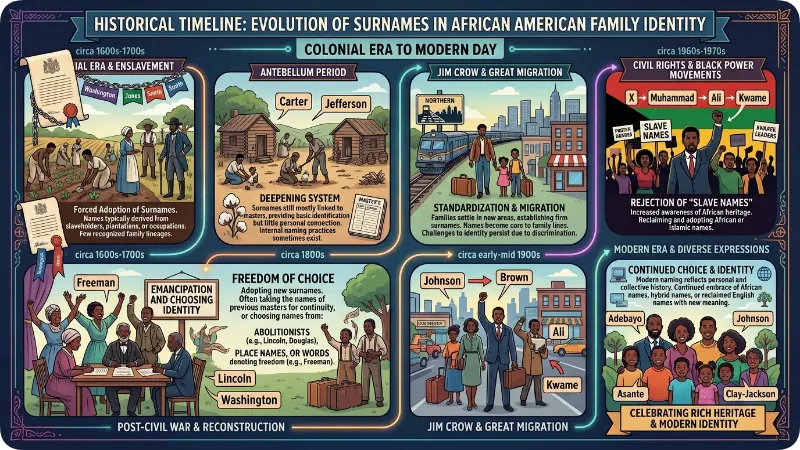
After emancipation in the 19th century, many formerly enslaved people adopted surnames from:
- Enslavers (a common but complex historical reality)
- Biblical names (like Johnson, Davis, Thomas)
- English occupational names (Smith, Taylor, Carpenter)
- Popular Anglo American surnames of the time
These names evolved into deeply rooted family identities over generations.
Most Common Black Surnames in the U.S.
These surnames appear frequently in African American genealogy records, census data, and cultural studies.
Widely Recognized Last Names
- Williams
- Johnson
- Smith
- Brown
- Jones
- Davis
- Jackson
- Harris
- Robinson
- Thomas
- Wright
- Moore
- Clark
- Lewis
- Walker
These names are so widespread that they often appear across multiple regions and social backgrounds.
Meaning and Cultural Vibe of Common Surnames
Even though many surnames share European linguistic origins, they carry distinct cultural resonance within families and communities.
Williams
A name associated with resilience and legacy. Feels classic, grounded, and widely rooted in American family history.
Johnson
Simple, strong, and enduring. One of the most historically dominant surnames across generations.
Jackson
Carries a rhythmic, cultural presence, often associated with music, leadership, and public figures.
Brown
A grounded surname that often symbolizes stability and generational continuity.
Davis
Balanced and traditional, frequently found across Southern U.S. family histories.
These names don’t define identity, but they often reflect long family narratives and migration patterns.
Historical Context Behind These Names
Understanding these surnames requires acknowledging history:
- During slavery, many African ancestors were not recorded by their original names.
- After emancipation, surnames were often chosen, assigned, or inherited from former enslavers.
- Over time, these names became established family identities passed across generations.
- Migration during the Great Migration further spread these surnames across the United States.
This is why many surnames today are shared widely across ethnic lines but hold unique meaning within Black families.
Modern Cultural Presence
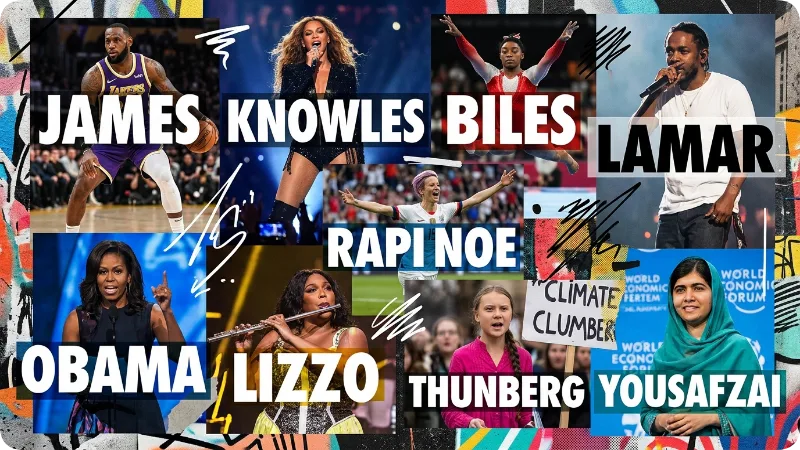
Today, common Black surnames appear prominently in:
- Music industry (hip hop, R&B, jazz)
- Sports (NFL, NBA, athletics)
- Film and television credits
- Entrepreneurship and business branding
- Academic and cultural leadership
These surnames are part of a living cultural identity that continues to evolve globally.
Surnames by Emotional & Cultural Vibe
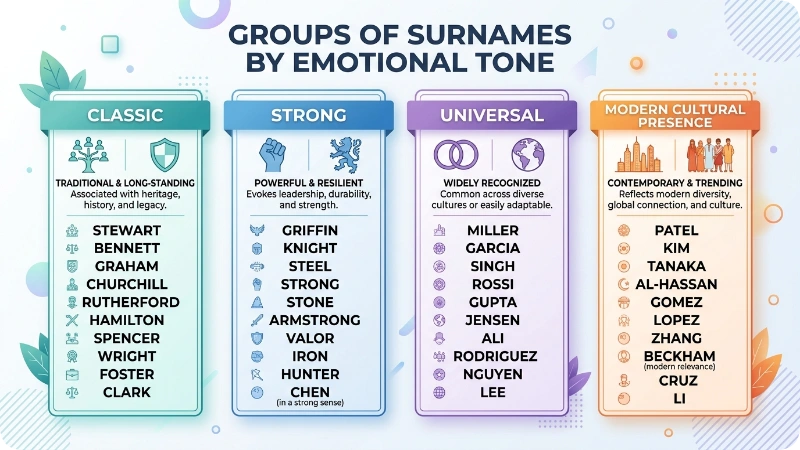
Classic & Timeless
- Williams
- Johnson
- Brown
- Davis
Strong & Authoritative
- Jackson
- Harris
- Robinson
- Clark
Widely Universal
- Smith
- Jones
- Thomas
- Lewis
Modern Cultural Presence
- Walker
- Moore
- Wright
- Allen
Each carries a familiar yet powerful identity tone shaped by decades of cultural visibility.
Naming Patterns You’ll Notice
Some clear patterns emerge across common surnames:
- “ son” endings (Johnson, Jackson, Robinson)
- Biblical influence (Thomas, Davis)
- Occupational roots (Smith, Taylor)
- Descriptive origins (Brown, White)
- Patronymic structures (Williams, Harris)
These patterns reflect broader English naming traditions that became embedded in American naming systems.
Frequently Asked Questions
What are the most common Black last names?
Williams, Johnson, Smith, Brown, Jones, Davis, and Jackson are among the most common.
Why do many Black people have similar last names?
This is largely due to historical naming practices during slavery and emancipation, where surnames were adopted or assigned from English speaking populations.
Are these surnames only used by Black families?
No. These surnames are shared across many ethnic groups in the U.S. and other English speaking countries.
What is the most common surname overall?
“Smith” is widely considered one of the most common surnames in the United States overall.
Do surnames reflect African ancestry?
Not directly in most cases. Many surnames reflect colonial era naming systems rather than original African names.
Conclusion
Common Black last names like Williams, Johnson, Smith, Brown, and Jackson are more than just identifiers, they are living records of history, migration, and cultural endurance.
While many of these surnames have shared English origins, their meaning today is shaped by generations of family legacy, community identity, and cultural influence.
Understanding these names isn’t just about frequency, it’s about recognizing the stories they carry across time and place.

Emma helps authors, screenwriters, and gamers find the perfect names for their fictional characters. She analyzes historical trends and linguistic styles to craft names that carry deep meaning. When she isn’t writing, she loves plotting her next fantasy novel at a local café.