Some animals have names that feel like they belong in fantasy novels, ancient mythology, or scientific journals filled with mystery. Instead of simple labels, they carry long, layered identities that reflect their appearance, behavior, or discovery history.
From tonguetwisting bird species to jaw dropping scientific classifications, “animals with long names” reveal how rich and detailed the natural world really is. These names aren’t just labels, they’re ministories about evolution, geography, and human curiosity.
For naming enthusiasts, writers, educators, or anyone fascinated by unusual wildlife, these species offer a blend of science and poetry that feels strangely addictive to explore.
Featured Snippet
Animals with long names are species whose common or scientific names are unusually lengthy due to descriptive traits, taxonomy, or regional origins. Examples include the Marvelous Spatuletail Hummingbird, Rhinoceros Auklet, and Blue footed Booby. Their names often describe appearance, behavior, or classification.
Quick Overview of Animals with Long Names
| Animal Name | Type | Why the Name Is Long |
| Marvelous Spatuletail Hummingbird | Bird | Describes tail structure + rarity |
| Redcrowned Amazon Parrot | Bird | Color + genus association |
| Bluefooted Booby | Bird | Physical trait description |
| Rhinoceros Auklet | Bird | Beak resemblance to rhino |
| Thorny Devil Lizard | Reptile | Body texture description |
| Axolotl (Ambystoma mexicanum) | Amphibian | Scientific binomial name |
| Philippine Tarsier | Mammal | Geographic + species classification |
| Komodo Dragon (Varanus komodoensis) | Reptile | Island origin + taxonomy |
| Leafy Sea Dragon | Fish | Camouflagebased naming |
| Hellbender Salamander | Amphibian | Folk naming tradition |
Curated Animals with Long Names
Marvelous Spatuletail Hummingbird
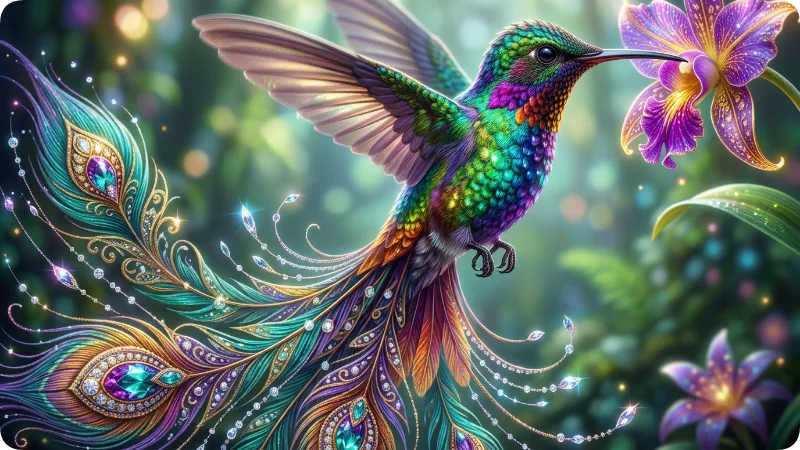
A name that sounds like royalty in motion. This rare hummingbird is known for its extraordinary tail feathers that resemble delicate spinning ornaments. The “marvelous” part isn’t exaggeration, it genuinely feels theatrical.
Vibe: Magical, elegant, ultra rare aesthetic
Naming appeal: Perfect for fantasy inspired content or character naming
Red crowned Amazon Parrot
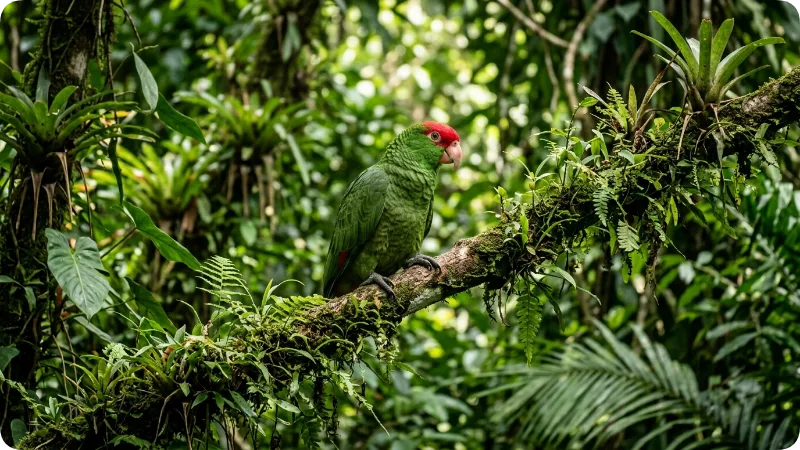
A vivid tropical bird with a name that feels both descriptive and regal. The “redcrowned” detail highlights its striking head coloration, while “Amazon” connects it to its rainforest habitat.
Vibe: alluring luxury, tropical vibrance
Modern association: Often featured in wildlife photography and travel content
Blue footed Booby
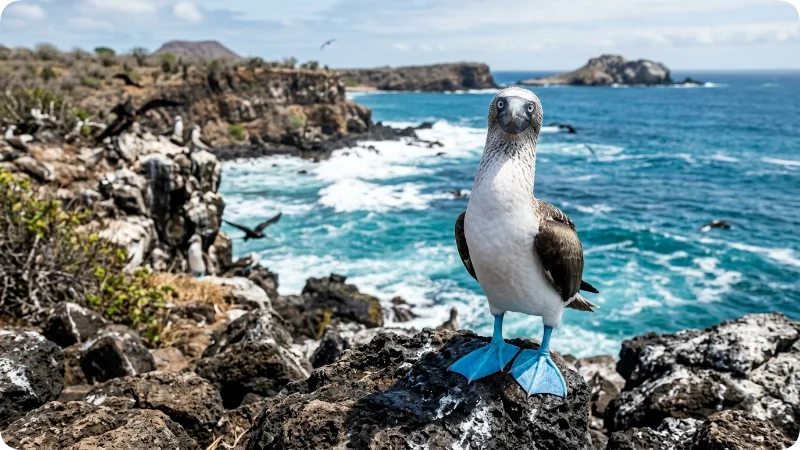
One of the internet’s favorite oddly named animals. Its bright blue feet make the name unexpectedly literal and slightly humorous.
Vibe: Quirky, memefriendly, nature’s playful side
Pop culture presence: Frequently goes viral on social media wildlife pages
Rhinoceros Auklet
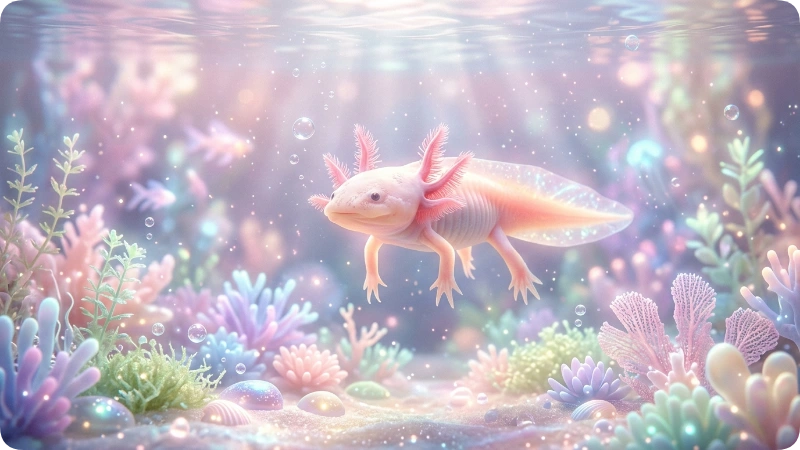
A seabird with a hornlike extension on its beak that inspired its dramatic name. The combination feels prehistoric yet elegant.
Vibe: Ancient ocean mystery, rugged natural beauty
Naming insight: A strong example of morphology based naming
Thorny Devil Lizard
A desert reptile covered in spiky armorlike structures. Its name captures both appearance and defensive survival strategy.
Vibe: Dark fantasy, survival energy, desert mythology
SEO angle: Frequently searched in alluring reptile naming queries
Axolotl (Ambystoma mexicanum)
Perhaps one of the most famous scientific names in modern internet culture. The binomial format gives it a sophisticated, almost scientific poetry.
Vibe: Soft fantasy, aquatic mystery, “cute but alien” aesthetic
Cultural trend: Extremely popular in gaming, anime, and TikTok art
Leafy Sea Dragon
A masterpiece of natural camouflage. Its long, descriptive name perfectly reflects its plantlike appearance.
Vibe: Ocean fantasy, surreal elegance
Pinterest aesthetic: Highly popular in underwater themed boards
Philippine Tarsier
A tiny primate with one of the most expressive eyes in the animal kingdom. The name reflects both geography and species classification.
Vibe: Soft alluring realism, forest innocence
Travel association: Often featured in ecotourism guides
Komodo Dragon (Varanus komodoensis)
A powerful reptile with a scientific name that feels ancient and authoritative. The Latin classification adds depth and academic weight.
Vibe: Primeval power, prehistoric dominance
Cultural relevance: Iconic in documentaries and wildlife education
Hellbender Salamander
A name that sounds like folklore. Despite its dramatic tone, it’s a real amphibian found in North America.
Vibe: Mythic, mysterious, slightly eerie
Naming appeal: Strong inspiration for fantasy creature design
Naming Patterns Behind Long Animal Names
Descriptive Physical Traits
Many long names come from visible features like color, shape, or texture (e.g., Bluefooted Booby).
Scientific Classification
Latin binomial names like Ambystoma mexicanum reflect global taxonomy systems.
Geographic Origins
Names often include locations such as “Philippine” or “Komodo.”
Mythical or Emotional Influence
Some names are shaped by folklore or human imagination, giving animals a legendary aura.
Why These Names Go Viral Online
- They sound unusual or poetic
- They are easy to remember visually
- They fit meme culture and educational content
- They inspire fantasy naming trends (especially on TikTok & Pinterest)
- They feel “storybookreal”a rare SEOfriendly emotional mix
FAQs
What is the animal with the longest scientific name?
Many species have long Latin names, but Ambystoma mexicanum (axolotl) is among the most recognized in modern biology discussions.
Why do some animals have such long names?
Because names often include physical traits, geographic locations, or scientific classification structures.
Are long animal names always scientific?
No. Many are common names created for description, storytelling, or cultural reasons.
What is the most famous animal with a funny long name?
The Bluefooted Booby is widely known for its humorous and descriptive naming style.
Conclusion
Animals with long names reveal how deeply human language tries to capture the complexity of nature. Whether it’s a scientific classification or a poetic descriptive phrase, each name adds personality, emotion, and identity to wildlife.
These names are more than labels, they’re miniature stories about how we see the natural world: curious, creative, and endlessly detailed.

Emma helps authors, screenwriters, and gamers find the perfect names for their fictional characters. She analyzes historical trends and linguistic styles to craft names that carry deep meaning. When she isn’t writing, she loves plotting her next fantasy novel at a local café.