Native American names can evoke the quiet strength of a mountain, the movement of a river, the freedom of a bird, or the resilience of a community. Some are associated with animals and the natural world; others come from personal histories, family traditions, spiritual beliefs, or specific Indigenous languages.
But there is something important to understand before choosing one: Native Americans are not a single language or culture. Hundreds of Indigenous nations have distinct histories, naming customs, and languages. A name from the Cherokee Nation may have a very different origin and cultural significance from a name associated with the Lakota, Diné (Navajo), or Ojibwe peoples.
This guide explores Native American names with attention to their origins, meanings, pronunciation, and overall feel. It also distinguishes established name meanings from modern interpretations, helping you find inspiration without treating diverse Indigenous cultures as interchangeable.
Featured Snippet:
Some names associated with Native American languages and Indigenous naming traditions include Aponi, Kiona, Takoda, Kaya, Winona, Chayton, Nita, and Nokomis. Their meanings and cultural associations vary by source, spelling, and language. For example, Winona is associated with the Dakota/Lakota name tradition, while Nokomis is an Ojibwe word meaning “my grandmother.” Always verify a name’s meaning and cultural context before using it, particularly for a child or a character intended to represent a specific Indigenous community.
Quick Guide to Native American Names

| Name | Commonly cited meaning or association | Overall vibe |
| Nokomis | Ojibwe: “my grandmother” | Warm, wise, vintage |
| Winona | Dakota name associated with a firstborn daughter | Classic, gentle |
| Sequoyah | Associated with the Cherokee scholar who created a writing system for the Cherokee language | Intellectual, historic |
| Pocahontas | A historical Powhatan name; often interpreted as “playful one” | Historic, spirited |
| Sacagawea | Name of the Shoshone woman who assisted the Lewis and Clark expedition; spelling and linguistic interpretation deserve care | Adventurous, historic |
| Hiawatha | Name associated with Haudenosaunee tradition and the founding narrative of the Confederacy | Legendary, literary |
| Tecumseh | Name of the Shawnee leader known for his political and military leadership | Strong, historic |
| Tȟatȟáŋka Íyotake (Sitting Bull) | Lakota name commonly rendered in English as “Sitting Bull” | Powerful, historic |
| Nampeyo | Hopi name associated with the celebrated potter Nampeyo of Hano | Artistic, cultural |
| Wovoka | Name of the Northern Paiute religious leader associated with the Ghost Dance movement | Spiritual, historic |
Historical names and personal names do not always have a single agreed upon English translation. The associations above are intended as orientation, not as a definitive dictionary of meanings.
Beautiful Native American Girl Names

The appeal of a beautiful name often comes from its sound as much as its meaning. Some names feel soft and lyrical, while others carry the weight of history or a strong connection to a particular community.
Winona
Origin: Dakota naming tradition
Winona has a gentle, flowing sound and a familiar vintage quality. It is commonly associated with a firstborn daughter in Dakota naming references, although details should be checked against the relevant language and community. Its sound also recalls actress Winona Ryder, giving it a recognizable place in contemporary pop culture.
Vibe: vintage, graceful, warm
Pocahontas
Origin: Powhatan historical context
This name is inseparable from the history of the Powhatan woman whose life was later reshaped by colonial accounts and popular entertainment. The Disney film made the name globally recognizable, but its fictionalized portrayal should not be confused with her actual life or Powhatan culture.
Vibe: historic, spirited, widely recognized
Sacagawea
Origin: Shoshone historical context
Sacagawea is remembered for her role as an interpreter and guide on the Lewis and Clark expedition. Her name is especially associated with courage, resourcefulness, and exploration in American historical memory. Historical spellings and interpretations vary, so it is better to treat these associations separately from a definitive literal translation.
Vibe: adventurous, resilient, historic
These three names are most useful for historical research and character inspiration. For a contemporary baby name, a documented name from a specific Indigenous language—with its spelling and meaning confirmed, is a better starting point than a famous historical figure’s name alone.
Native American Boy Names
Names associated with Indigenous leaders, scholars, and historical figures can carry a strong sense of identity. They also come with responsibilities: a famous person’s name is not automatically a culturally neutral naming choice.
| Name | Cultural or historical connection | Naming impression |
| Sequoyah | Cherokee scholar and creator of the Cherokee syllabary | Thoughtful, scholarly |
| Tecumseh | Shawnee leader who advocated Indigenous political unity | Bold, resolute |
| Hiawatha | Associated with Haudenosaunee tradition and a major founding narrative | Legendary, literary |
| Sitting Bull | English name of the Lakota leader Tȟatȟáŋka Íyotake | Strong, historically significant |
| Black Hawk | English name associated with the Sauk leader Ma ka tai me she kia kiak | Defiant, historic |
| Geronimo | Spanish rendered name of the Chiricahua Apache leader Goyaałé | Famous, forceful |
| wild Horse | English name of the Oglala Lakota leader Tȟašúŋke Witkó | Powerful, historically significant |
A note on use: These are primarily names of notable historical people, not a recommendation to adopt them as ordinary baby names. Some are English translations, colonial spellings, or names with complicated histories. Research the individual and community before using one for a fictional character or child.
Native American Names Inspired by Nature
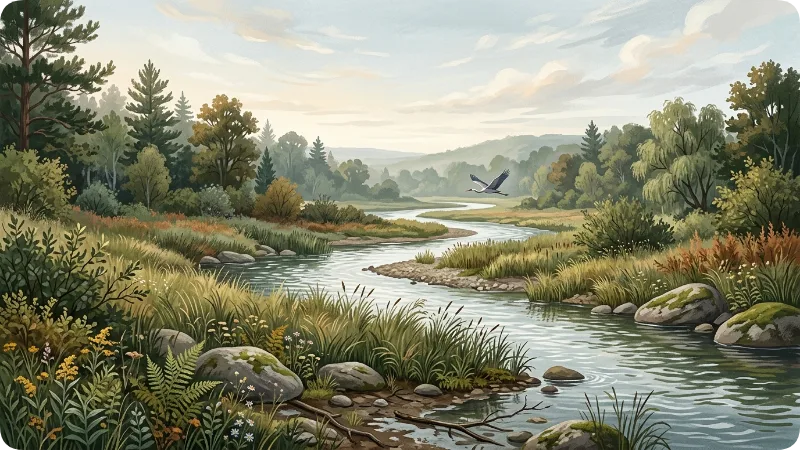
Nature themed names are popular in modern baby name lists, but online lists often combine authentic Indigenous words, English translations of Indigenous names, and names whose origins are uncertain. Keeping these categories separate makes a naming guide more reliable.
Names and historical associations
- Nokomis :An Ojibwe word meaning “my grandmother.” Its connection to family and elderhood makes it feel warm and deeply relational.
- Winona :Associated with Dakota naming traditions and often linked with the idea of a firstborn daughter. Its appeal is gentle and classic rather than overtly nature themed.
- Sitting Bull :A historical Lakota name rendered in English. Although frequently placed in lists of powerful nature inspired names, it is first and foremost the name of a specific person and should be treated accordingly.
Choosing a nature inspired name respectfully
If you love the feeling of a name associated with water, sky, animals, or the land, decide If you want:
- An authentic word from a particular Indigenous language.
- An English language name inspired by nature.
- A fictional name that evokes wilderness without claiming Indigenous origins.
These are different naming goals. A name does not become Native American simply because it sounds earthy, spiritual, or adventurous.
Unique Native American Names
If you want a distinctive name, it is tempting to focus on unusual spellings. A more thoughtful approach is to look for a name with a documented origin, a meaningful story, and a pronunciation you can learn correctly.
Nokomis
An uncommon choice in many mainstream English language baby name contexts, with a clearly identifiable Ojibwe meaning: “my grandmother.” It has a soft, intimate sound and a family centered association.
Sequoyah
Distinctive in sound and closely connected to Cherokee language history through the syllabary created by Sequoyah. It may appeal to readers who value literacy, language, and intellectual legacy.
Tecumseh
Memorable and forceful, with a substantial historical association. It is better suited to a carefully researched historical or fictional context than to a name selected solely for its dramatic sound.
Uniqueness is relative: a name may be unfamiliar in one country but familiar or culturally significant within its home community. That distinction matters more than If a name appears on a popular baby name list.
Native American Gender Neutral Names
Gender neutral naming is increasingly popular among parents who want a name that feels flexible, modern, and personal. However, a name should not be labeled gender neutral simply because a baby name website places it in both lists.
Here are several names and naming references worth exploring, with their cultural contexts kept visible.
| Name | Context | Style |
| Sequoyah | Associated with Cherokee language history | Scholarly, distinctive |
| Winona | Dakota naming tradition; commonly presented as feminine | Soft, vintage |
| Nokomis | Ojibwe word meaning “my grandmother” | Warm, relational |
| Tecumseh | Shawnee historical figure’s name | Strong, traditional |
These are not all gender neutral names in their source cultures. If gender flexibility is important, verify contemporary usage with a reliable source from the specific nation or language community.
Native American Names by Aesthetic and Personality
Sometimes the feeling of a name helps narrow your choices before you settle on a meaning. The following groupings describe modern aesthetic impressions, not traditional Indigenous classifications.
| Desired aesthetic | Names to explore | Why they stand out |
| Soft and warm | Nokomis, Winona | Gentle sounds and associations with family or heritage |
| Bold and powerful | Tecumseh, Sequoyah | Distinctive sounds and substantial historical associations |
| Intellectual and literary | Sequoyah, Hiawatha | Strong connections to language, history, and storytelling |
| Adventurous | Sacagawea | Associated with travel, navigation, and resilience in historical accounts |
| Vintage and recognizable | Winona | A familiar name with a classic sound |
| Historical and dramatic | Pocahontas, Sitting Bull | Strong recognition, accompanied by significant cultural context |
Aesthetic labels are useful for comparing names, but they should not replace research into meaning or cultural appropriateness. In particular, describing a name as “mystical,” “tribal,” or “alluring” can flatten a living culture into a mood board.
Native American Names and Their Cultural Significance
Indigenous naming traditions are not simply collections of words with attractive meanings. Names can express family relationships, community identity, personal experiences, spiritual beliefs, and connections to land.
Some names are given at birth. Others may be received later in life, reflect an important experience, or change as a person’s circumstances change. Practices differ considerably across Indigenous nations, so no single explanation applies everywhere.
The distinction between a traditional personal name, a translated name, a surname, and a historical figure’s name is especially important.
For example, Sequoyah is remembered for creating the Cherokee syllabary, a writing system that helped transform the written use of the Cherokee language. The name therefore has a significant historical association beyond its sound or appearance. Similarly, Nokomis has an identifiable Ojibwe meaning, rather than merely an internet generated symbolic interpretation.
For anyone researching names for a baby, book, game, or character, the best approach is to identify the relevant nation, check the language and spelling, and learn If the name is appropriate for the intended use. The U.S. Geological Survey’s guidance on culturally sensitive Native American names emphasizes consultation with the relevant Tribal community and language experts.
How to Choose the Right Native American Name
A meaningful name deserves more than a quick search for a translation. Use these steps to narrow your options.
- Choose a specific cultural origin. Start with a particular Indigenous nation or language rather than treating all Native American cultures as one.
- Verify the meaning. Look for a tribal language resource, cultural institution, or knowledgeable language speaker. Be cautious when several websites repeat the same translation without identifying a source.
- Learn the pronunciation. English spellings may not represent every sound in an Indigenous language. Confirm the correct pronunciation rather than guessing from spelling.
- Consider the purpose. A name for a baby has different considerations from a historical character’s name, a pet name, or a fantasy setting.
- Look beyond aesthetics. Think about family connections, cultural significance, nicknames, and how the name may be understood by people who recognize its origin.
- Check for cultural restrictions. Some names may be connected to particular family, community, spiritual, or ceremonial contexts. Ask an appropriate community source if you are unsure.
What about lucky numbers, colors, gemstones, and zodiac signs?
Many baby name websites attach lucky numbers, lucky colors, gemstones, weekdays, and zodiac signs to names. These attributes are not automatically part of Indigenous naming traditions.
Unless a specific cultural source establishes the connection, treat such associations as modern numerology or personal symbolism—not as verified Native American beliefs.
You can still choose a favorite color or gemstone to accompany a name in a personal naming journal. Just keep that preference separate from the name’s documented cultural meaning.
Frequently Asked Questions About Native American Names
What is the most beautiful Native American name?
Beauty is subjective and depends on pronunciation, meaning, personal connection, and cultural context. Winona may appeal to someone who likes classic, flowing names, while Sequoyah may appeal to someone drawn to language and history. Neither is universally the most beautiful.
What are some Native American names with meaningful origins?
Nokomis is an Ojibwe word meaning “my grandmother.” Sequoyah is associated with Cherokee language history, and Tecumseh is associated with a prominent Shawnee leader. These examples have identifiable cultural or historical contexts, although not every name has a simple literal translation.
Are Native American names suitable for babies?
Some Indigenous names are used as contemporary given names, while others have specific cultural or family contexts. Before choosing one, verify its origin, meaning, pronunciation, and suitability with reliable sources connected to the relevant community.
Are Native American names gender neutral?
Some names may be used across genders in contemporary contexts, but gender conventions vary by language, community, and individual. Do not assume that a name is traditionally unisex simply because it appears in online lists for both children.
Can I use a Native American name for a fictional character?
You can research Indigenous names for historically grounded fiction, but accuracy and respect matter. If the character belongs to a specific Indigenous nation, research that community’s history and naming traditions. Avoid combining unrelated cultures or using a name merely to make a character seem mysterious or powerful.
Do Native American names have lucky numbers or gemstones?
There is no universal Native American system assigning every name a lucky number, gemstone, or zodiac sign. Such information is often added by modern baby name websites and should not be presented as an established Indigenous tradition without evidence.
What is the difference between Native American and Indigenous names?
“Native American” is commonly used for Indigenous peoples within the United States, while “Indigenous” can refer more broadly to peoples around the world. When possible, identify the particular nation or community, and use the terminology that its members prefer.
Conclusion
Native American names can offer a meaningful way to explore language, family, history, and identity. The most rewarding choice is not necessarily the rarest or most dramatic name, but one whose origin you understand and whose significance you can appreciate.
If you are drawn to the warmth of Nokomis, the literary history of Sequoyah, or the legacy associated with Tecumseh, take time to learn the story behind the name. Cultural accuracy makes the choice more meaningful, and helps ensure that admiration does not become misrepresentation.

Liam tracks digital culture, internet aesthetics, and social media branding. He creates unique, memorable usernames and handles for creators who want to stand out on TikTok, Instagram, and YouTube. In his free time, he edits aesthetic short-form videos.