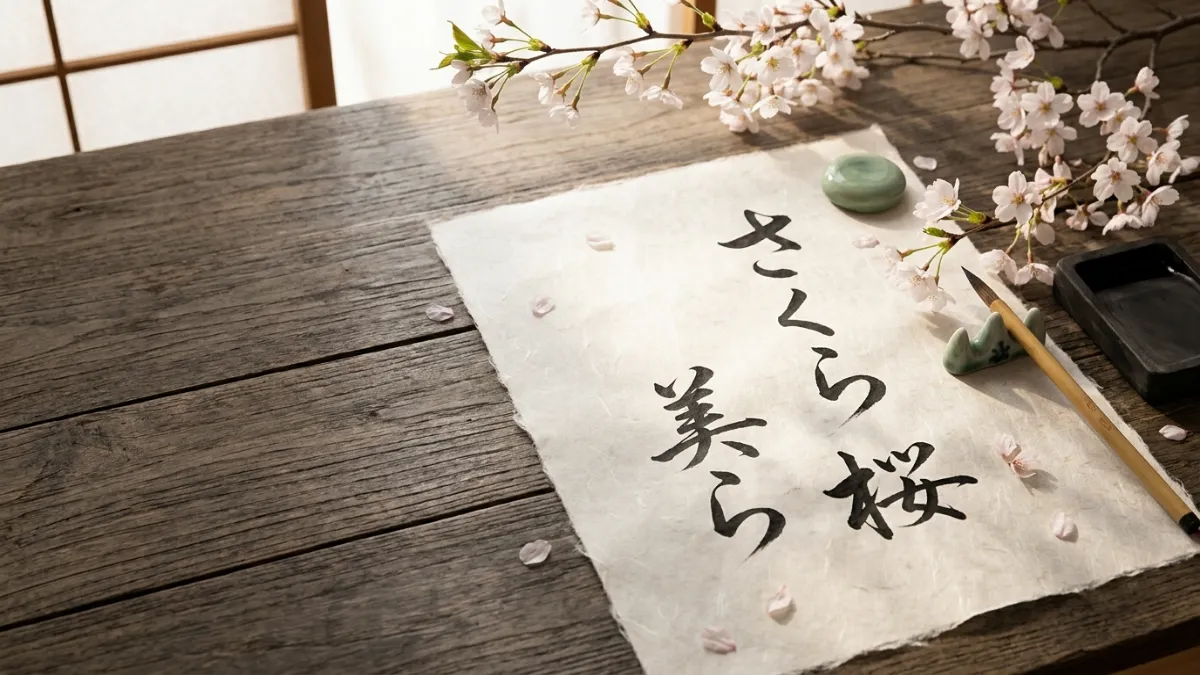
\Japanese girl names have a special kind of beauty. Some feel as delicate as a cherry blossom in spring, while others sound crisp, mysterious, and quietly powerful. A single name can evoke a moonlit sky, a favorite flower, a fresh beginning, or a sense of timeless elegance.
If you’re choosing a name for your baby girl, searching for a meaningful Japanese name for a fictional character, or collecting beautiful names for an anime, game, or creative project, the best choice is one that feels right to you.
This guide explores female Japanese names with meanings, kanji, pronunciations, cultural context, and personality inspired aesthetics. You’ll discover soft and elegant names, rare sounding gems, traditional favorites, nature inspired choices, and modern names that feel at home in today’s digital world.
Most importantly, you’ll learn how to choose a name for its actual meaning, not just its beautiful sound.
At a Glance: Finding Your Perfect Japanese Girl Name
| If you want a name that feels… | Start with | Meaning or association |
| Soft and romantic | Hana (花) | Flower |
| Elegant and timeless | Sakura (桜) | Cherry blossom |
| Short and sophisticated | Rin (凛) | Dignified, composed |
| Modern and nature inspired | Sui (翠) | Green jade or kingfisher related imagery |
| Bright and cheerful | Akari (明かり) | Light, illumination |
| Artistic and poetic | Uta (詩) | Poem |
| Calm and oceanic | Nanami (七海) | Seven seas |
| Cute and gentle | Yui (結衣) | Connection and clothing, based on these kanji |
| Mysterious and minimalist | Rei (玲, for one possible spelling) | A sound associated with clear, delicate beauty |
| Classic and graceful | Chiyo (千代) | A thousand generations |
Meanings above refer to the specific kanji shown or a common written form. Japanese names can have different meanings when written with different characters, even when pronounced identically.
japan guide.com
+2
What Makes Japanese Female Names So Beautiful?
Japanese female names often balance simplicity with depth. A name may sound light and delicate while its written characters express resilience, wisdom, love, or a connection to nature.
One important detail makes Japanese naming especially interesting: the pronunciation alone does not always tell you the meaning. Kanji are characters that carry meanings and can have multiple readings. Names may also be written in hiragana, which represents sound without assigning the same kind of character by character meaning.
For example:
- Hana (花) means flower when written with this kanji.
- Ai (愛) means love, while Ai written as 藍 refers to indigo.
- Rin (凛) conveys dignity and composure.
- Sui (翠) has associations with kingfishers and jade.
The emotional feeling of a name is a separate layer. Sakura may feel romantic because of its association with cherry blossoms, while Rin may feel modern, cool, and self assured. Those are aesthetic interpretations rather than fixed cultural meanings.
When choosing a Japanese name, consider three things together: how it sounds, what its actual spelling means, and the impression you want it to create.
Beautiful Japanese Girl Names With Meanings

These names are a strong starting point if you want something attractive, meaningful, and versatile. Each entry includes a specific Japanese spelling where possible, along with pronunciation guidance and an editorial impression to help you narrow your choices.
1. Sakura (桜)
Pronunciation: sah koo rah · Nature inspired
Meaning: Cherry blossom.
Origin and language: Japanese.
Personality vibe: Romantic, graceful, gentle, and quietly memorable.
Sakura evokes spring, beauty, and the fleeting nature of blossoms. It’s a wonderful choice for parents who love floral names or writers creating a thoughtful, warm hearted character.
Nicknames: Saku, Sakura chan in suitable familiar contexts.
Similar names: Hana, Sumire, Ayame.
Best for: A timeless floral name with a recognizable Japanese identity.
2. Hana (花)
Pronunciation: hah nah · Soft and minimalist
Meaning: Flower.
Origin and language: Japanese.
Personality vibe: Sweet, open, cheerful, and naturally elegant.
Hana has a simple two syllable rhythm that feels approachable across languages. Its floral meaning makes it appealing without feeling overly elaborate.
Nicknames: Hani as an informal invented nickname.
Similar names: Yuna, Mei, Sakura.
Best for: Someone who wants a short, easy to say name with a gentle aesthetic.
3. Sui (翠)
Pronunciation: soo ee · Modern and refined
Meaning: The kanji 翠 is associated with kingfishers and appears in the Japanese word for jade.
Origin and language: Japanese.
Personality vibe: Minimalist, serene, sophisticated, and distinctive.
Sui is an especially interesting choice for anyone drawn to short names, jewel tones, and understated luxury. It also has documented contemporary popularity: 翠 topped Meiji Yasuda Life Insurance’s 2025 girls’ name ranking as reported by Nippon.com.
Nicknames: Suu, as a personal nickname.
Similar names: Rin, Rei, Aoi.
Best for: A contemporary name with a nature inspired, polished feel.
4. Akari (明かり)
Pronunciation: ah kah ree · Warm and luminous
Meaning: Light or illumination in the written form shown.
Origin and language: Japanese.
Personality vibe: Hopeful, kind, bright, and welcoming.
Akari feels like the first light of morning or a lamp glowing in a quiet room. It’s a lovely choice if you want a name with a positive, reassuring impression.
Nicknames: Aka, Kari.
Similar names: Hikari, Akane, Haruka.
Best for: A meaningful name associated with brightness and warmth.
5. Aoi (葵)
Pronunciation: ah oh ee · Fresh and contemporary
Meaning: Hollyhock, using 葵.
Origin and language: Japanese.
Personality vibe: Cool, artistic, composed, and nature loving.
Aoi has an airy, modern sound and a clean visual appearance. It can also be used as a gender neutral given name, depending on the spelling and individual.
Nicknames: Ao.
Similar names: Sui, Hina, Rei.
Best for: A nature inspired name that feels current without being overly decorative.
6. Mei (芽依)
Pronunciation: may · Petite and graceful
Meaning: With this example spelling, 芽 means sprout or bud, and 依 can convey reliance or depending on context.
Origin and language: Japanese.
Personality vibe: Youthful, gentle, creative, and quietly charming.
Mei is short and memorable. Its appeal comes partly from its simplicity, while the selected kanji can add a sense of new growth.
Nicknames: Mei chan among close friends or family.
Similar names: Mio, Yui, Rei.
Best for: A compact name with a fresh, delicate impression.
7. Rin (凛)
Pronunciation: reen · Strong and minimalist
Meaning: Dignified, composed, or austere, depending on context.
Origin and language: Japanese.
Personality vibe: Independent, poised, intelligent, and self assured.
Rin feels crisp rather than frilly. It works especially well for a character who is thoughtful and reserved, or for a baby name that balances simplicity with strength.
Nicknames: Rinny as an informal nickname.
Similar names: Rei, Sui, Ren.
Best for: Someone who wants an elegant name with a confident edge.
8. Nanami (七海)
Pronunciation: nah nah mee · Ocean inspired
Meaning: Seven seas, using 七海.
Origin and language: Japanese.
Personality vibe: Dreamy, adventurous, calm, and imaginative.
Nanami has a flowing rhythm and a sense of spaciousness. The written characters suggest a broad oceanic image, making it a natural fit for sea loving families and fantasy settings.
Nicknames: Nana, Nami.
Similar names: Minami, Aoi, Umika.
Best for: A lyrical name with an expansive, nature inspired feeling.
9. Yui (結衣)
Pronunciation: yoo ee · Warm and versatile
Meaning: 結 can mean tie, bind, or connect; 衣 means clothing or garment.
Origin and language: Japanese.
Personality vibe: Friendly, sincere, gentle, and grounded.
Yui feels approachable and unpretentious. Its first kanji can suggest connection, making it an appealing option for parents who value relationships and belonging.
Nicknames: Yuyu, Yui chan.
Similar names: Mei, Yuna, Mio.
Best for: A familiar feeling name with a meaningful character combination.
10. Rei (玲)
Pronunciation: ray · Cool and refined
Meaning: 玲 is associated with the clear, tinkling sound of precious stones.
Origin and language: Japanese.
Personality vibe: Reserved, polished, intelligent, and quietly mysterious.
Rei is visually spare and easy to remember. Its clean sound works well for modern naming styles, while its character offers a more delicate association.
Nicknames: Rei chan, though many people may prefer the full name.
Similar names: Rin, Sui, Rina.
Best for: A short, elegant name with a cool, literary feel.
Cute Japanese Girl Names With Soft, Sweet Vibes

If you love names that sound gentle, friendly, and a little playful, look for short vowels, flowing rhythms, and familiar nature imagery. These names work well for babies, fictional characters, usernames, and creative projects.
| Name | Example Japanese spelling | Meaning or character gloss | Overall vibe |
| Hina | 陽菜 | Sun or sunshine character + greens | Cheerful and sweet |
| Yuna | 結菜 | Connection + greens | Soft and modern |
| Mio | 美緒 | Beauty + thread or beginning, depending on context | Delicate and polished |
| Koharu | 小春 | Little spring | Cozy and sunny |
| Momo | 桃 | Peach | Playful and youthful |
| Niko | にこ | A sound associated with smiling when used as a word; name meaning depends on writing | Bright and bubbly |
| Emi | 恵美 | Blessing + beauty | Warm and classic |
| Airi | 愛莉 | Love + jasmine character | Romantic and contemporary |
| Yume | 夢 | Dream | Imaginative and whimsical |
| Noa | 乃愛 | Example spelling using characters associated with grammatical or possessive usage and love | Minimalist and modern |
My favorites for a soft aesthetic: Hana, Koharu, Mei, and Yuna. Each feels gentle without requiring an elaborate spelling.
One important distinction: an appealing English language interpretation doesn’t automatically make every spelling a conventional Japanese name. If cultural authenticity matters, verify the exact characters and reading with a reliable Japanese language source.
Elegant Japanese Female Names With Timeless Appeal

Elegant names don’t have to be long or complicated. Sometimes a single character or a classic ending creates a graceful, enduring impression.
| Name | Example spelling | Meaning | Style |
| Chiyo | 千代 | A thousand generations | Traditional and enduring |
| Akiko | 明子 | Brightness + child | Classic and composed |
| Haruka | 遥 | Distant or far reaching | Airy and graceful |
| Ayame | 菖蒲 | Japanese iris | Refined and botanical |
| Sayuri | 小百合 | Little lily | Romantic and classic |
| Fumiko | 文子 | Writing or letters + child | Literary and traditional |
| Kaori | 香織 | Fragrance + weaving | Soft and sophisticated |
| Yoko | 陽子 | Sun or sunlight + child | Vintage and understated |
| Reiko | 玲子 | Delicate jewel like sound + child | Polished and traditional |
| Miyako | 都 | Capital or metropolis | Classic and stately |
The meanings above correspond to the example spellings, not every possible way to write these names.
Names ending in ko, such as Akiko and Fumiko, have a recognizable classic feel. The ending 子 means “child” in these spellings, and it was historically common in women’s names. Naming styles have changed over time, so a classic name can create a different impression from a newer, shorter name.
For a particularly graceful choice, consider Chiyo if you like traditional character, Kaori if you prefer sensory imagery, or Haruka if you want something airy and versatile.
Japanese Girl Names Inspired by Flowers and Nature
Nature is one of the richest sources of inspiration for Japanese names. Flowers, seasons, plants, and the natural world offer meanings that are easy to visualize and emotionally memorable.
Flower inspired names
| Name | Japanese | Meaning |
| Sakura | 桜 | Cherry blossom |
| Hana | 花 | Flower |
| Sumire | 菫 | Violet |
| Ayame | 菖蒲 | Iris |
| Tsubaki | 椿 | Camellia |
| Momoka | 桃花 | Peach + flower |
| Nanohana | 菜の花 | Rapeseed flowers |
| Ranka | 蘭花 | Orchid + flower |
| Yuri | 百合 | Lily |
| Botan | 牡丹 | Peony |
Greenery, seasons, and natural scenery
| Name | Japanese | Meaning or association |
| Sui | 翠 | Kingfisher or jade related imagery |
| Aoi | 葵 | Hollyhock |
| Midori | 緑 | Green |
| Kaede | 楓 | Maple |
| Tsumugi | 紬 | Traditional woven fabric |
| Koharu | 小春 | Little spring |
| Natsumi | 夏美 | Summer + beauty |
| Fuyuka | 冬花 | Winter + flower |
| Nanami | 七海 | Seven seas |
| Shizuku | 雫 | Droplet |
How to choose: Sakura is unmistakably floral and romantic, Sumire feels delicate and vintage, Kaede has an earthy quality, and Shizuku feels poetic and introspective.
A useful cultural nuance: a nature related kanji has a literal character meaning, but the emotional symbolism attached to a flower can vary by context. Avoid assuming that every Japanese flower name has one universal symbolic message.
Modern Japanese Girl Names That Feel Fresh and Stylish
Modern Japanese girl names often appeal through compact spelling, distinctive sound, and expressive kanji. Some use a single character, while others combine characters to create a particular visual and semantic effect.
The 2025 rankings reported by Nippon.com offer a useful snapshot of contemporary choices. 翠 (Sui or Midori) ranked first in the reported kanji name list, followed by 陽葵 (Himari) and 紬 (Tsumugi). 詩 (Uta) and 凛 (Rin) also appeared in the top ten. These figures come from a specific annual survey, not a complete census of every birth in Japan.
| Name | Kanji | Meaning or association | Modern impression |
| Sui | 翠 | Kingfisher, jade related imagery | Minimalist luxury |
| Himari | 陽葵 | Sunlight and a character used in the sunflower word | Bright and optimistic |
| Tsumugi | 紬 | Traditional woven fabric | Artful and grounded |
| Mashiro | 茉白 | Jasmine + white | Clean and delicate |
| Rin | 凛 | Dignified, composed | Sharp and confident |
| Uta | 詩 | Poem | Artistic and lyrical |
| Kotoha | 琴葉 | Harp or koto + leaf | Musical and literary |
| Yuna | 結菜 | Connection + greens | Friendly and contemporary |
| Iroha | 彩葉 | Color + leaf | Creative and expressive |
| Hina | 陽菜 | Sun related character + greens | Soft and cheerful |
The attraction of these names isn’t simply that they sound new. Many combine a compact form with imagery that feels vivid and personal.
If you want something that feels contemporary but still has depth, Sui and Rin are particularly strong. If you prefer a warmer, more expressive sound, Himari or Iroha may fit better.
Japanese Girl Names With Dark, Mysterious, and Gothic Aesthetics
Not every beautiful Japanese name needs to feel sweet or sunny. For fantasy writers, anime inspired characters, gamers, and anyone who loves dark academia or gothic aesthetics, a quieter, more enigmatic name can be a better match.
The key is to distinguish a name’s actual meaning from the mood created by its sound, writing, or fictional setting.
| Name | Example spelling | Meaning | Aesthetic interpretation |
| Rei | 玲 | Clear, delicate jewel like sound | Cool and mysterious |
| Rin | 凛 | Dignified or composed | Strong and restrained |
| Yoru | 夜 | Night as a Japanese word | Dark, nocturnal, and poetic |
| Tsukiko | 月子 | Moon + child | Lunar and dreamlike |
| Shizuku | 雫 | Droplet | Melancholic and cinematic |
| Kiri | 霧 | Mist or fog | Atmospheric and enigmatic |
| Ruri | 瑠璃 | Lapis lazuli or a blue precious stone | Jewel toned and elegant |
| Kuroha | 黒羽 | Black + feather | Gothic, fantasy oriented |
| Mikazuki | 三日月 | Crescent moon | Mythic and celestial |
| Hotaru | 蛍 | Firefly | Luminous and mysterious |
Some of these choices, especially Yoru, Kiri, and Mikazuki, are also ordinary Japanese words. They may work beautifully as fictional or stylized names, but that does not mean all are common or conventional female given names.
Best for a fictional heroine: Rei or Rin for a restrained, modern character; Ruri for a jewel like fantasy atmosphere; Mikazuki for a more overtly celestial identity.
Traditional Japanese Girl Names With Cultural Depth
Traditional Japanese names can connect a person to earlier naming styles, literary language, and familiar kanji. They can also be appealing alternatives to names that currently feel fashionable.
| Name | Example spelling | Meaning | General style |
| Chiyo | 千代 | A thousand generations | Enduring and classic |
| Yoshiko | 良子 | Good or virtuous + child | Traditional |
| Keiko | 恵子 | Blessing + child | Classic and gentle |
| Sachiko | 幸子 | Happiness or good fortune + child | Warm and traditional |
| Noriko | 典子 | Rule, model, or standard + child | Formal and classic |
| Tomoko | 智子 | Wisdom + child | Intellectual and understated |
| Haruko | 春子 | Spring + child | Seasonal and vintage |
| Masako | 雅子 | Elegance or refinement + child | Formal and graceful |
| Kazuko | 和子 | Harmony + child | Traditional and composed |
| Akiko | 明子 | Brightness + child | Timeless and recognizable |
Character meanings can vary with context, so these should be understood as examples of particular spellings.
A traditional name may also carry generational associations. That isn’t a flaw: for some families, an older fashioned name feels meaningful precisely because it doesn’t follow a short lived trend.
If you love vintage aesthetics, consider Chiyo, Haruko, or Sachiko. If you prefer something classic that still feels relatively easy to use internationally, Akiko or Keiko may appeal to you.
Rare and Unusual Japanese Girl Names
A rare name can feel special because it is less familiar, but rarity is not the same as authenticity. Some names below are established Japanese given names, while others are words or less conventional choices better suited to particular preferences.
| Name | Japanese spelling | Meaning | Why it stands out |
| Uta | 詩 | Poem | Short, artistic, and expressive |
| Ruri | 瑠璃 | Lapis lazuli or blue gemstone | Jewel like and distinctive |
| Shizuku | 雫 | Droplet | Poetic and atmospheric |
| Kohaku | 琥珀 | Amber | Earthy and gemstone inspired |
| Sayo | 小夜 | Small or little night in a literary compound | Quiet and vintage |
| Iroha | 彩葉 | Color + leaf | Visual and artistic |
| Towa | とわ | Often used for the sound “eternity”; spelling determines interpretation | Minimalist and lyrical |
| Kiyora | きよら | A possible phonetic form; exact name usage and meaning require verification | Airy and uncommon sounding |
| Kureha | 紅葉 | Autumn leaves, with the reading dependent on the name context | Dramatic and seasonal |
| Tsukiko | 月子 | Moon + child | Celestial and classic |
If uniqueness matters, check the actual kanji and reading rather than relying on a list labeled “rare.” Some online name lists use creative spellings without showing how frequently or naturally a name is used in Japan.
For real world baby naming, a reliable Japanese language name reference is more useful than aesthetic lists alone. For a fictional character, you have more freedom, provided you understand what is conventional and what is an artistic invention.
Japanese Girl Names Inspired by the Moon, Stars, and Sky
Celestial names often suit people who love dreamlike imagery, astronomy, fantasy worlds, and a sense of wonder.
| Name | Example spelling | Meaning or association | Vibe |
| Tsukiko | 月子 | Moon + child | Classic and lunar |
| Mizuki | 美月 | Beauty + moon | Soft and luminous |
| Hikari | 光 | Light | Bright and hopeful |
| Akari | 明かり | Light or illumination | Warm and welcoming |
| Sora | 空 | Sky | Open and airy |
| Hoshino | 星野 | Star + field | Starry and poetic; also a surname |
| Haruka | 遥 | Distant or far reaching | Spacious and dreamy |
| Asahi | 朝日 | Morning sun | Fresh and optimistic |
| Runa | るな | A phonetic form often chosen for a moon associated aesthetic | Modern and celestial |
| Koharu | 小春 | Little spring | Gentle and sunlit |
A helpful distinction: not every name associated with the sky literally means “star” or “moon.” Mizuki, for example, has that lunar association with the specific spelling 美月, whereas other spellings may convey different meanings.
For a celestial baby name, Mizuki and Hikari feel relatively versatile. For a fictional or fantasy character, Tsukiko and Runa can create a more explicitly moon inspired atmosphere.
Japanese Girl Names Inspired by Anime, Manga, and Gaming
Anime and gaming culture can introduce people to Japanese names they might never encounter elsewhere. Names such as Sakura, Rei, and Rin are recognizable to many international fans, while nature names and short, sharp sounds are common sources of inspiration for original characters.
However, a character’s popularity does not establish that a name is common in Japan. Nor does every name used in an anime have a special mythological meaning.
Here are some ways to approach the aesthetic thoughtfully:
- For a gentle protagonist: Hana, Hina, or Yui.
- For a quiet, highly focused character: Rin or Rei.
- For a magical or celestial heroine: Mizuki or Tsukiko.
- For a nature oriented adventurer: Aoi, Kaede, or Nanami.
- For a poetic or artistic character: Uta or Iroha.
- For a fantasy character with a dramatic visual identity: Ruri or Kureha.
For a well known fictional association, Rei is recognizable to fans of Neon Genesis Evangelion through Rei Ayanami, while Sakura appears in several major Japanese franchises, including Cardcaptor Sakura and Naruto. These are examples of pop culture associations, not the origins of the names themselves.
If you’re creating a character, decide If the name should sound natural in an everyday Japanese setting or signal a heightened fantasy style. That choice helps keep the character’s identity coherent.
Japanese Girl Names for a Baby: How to Choose the Right One
A beautiful name is only the beginning. For a real child, it also needs to work in everyday conversation, on official documents, and across different stages of life.
Here are the most useful things to consider before deciding.
1. Choose the sound and the kanji separately
Start with names you enjoy saying aloud. Then investigate the exact written form.
For example, Ai can be written 愛, meaning love, or 藍, meaning indigo. The sound is the same, but the written meaning changes.
Ask yourself:
- Do I like the sound on its own?
- Does the selected spelling carry the meaning I intend?
- Is the reading recognized and appropriate for this name?
- Will people need frequent clarification about the pronunciation?
2. Consider how the name grows with the child
A playful nickname may feel perfect for a baby, but a name should also suit an adult.
Hana and Yui have a simple, approachable quality. Rin and Rei feel more restrained. Akiko and Kaori offer a classic style that may suit a wide range of ages.
These are subjective impressions, not rules about the personalities of people who carry the names.
3. Think about pronunciation in your home language
If Japanese is not your first language, say your favorite names aloud with your family name.
Japanese vowels are generally more consistent than English vowels, but sounds such as the Japanese r may be unfamiliar to some speakers. Long vowels and syllable timing can also matter.
A Japanese speaker can help you confirm the natural reading and identify any awkward sound combinations.
4. Check sibling name compatibility
Names don’t need to rhyme or match perfectly. They usually work best when they share a broad style without becoming too similar.
| First name | Possible sibling name | Shared quality |
| Sakura | Hana | Floral and gentle |
| Rin | Rei | Short and refined |
| Akari | Hikari | Brightness and light |
| Yui | Mei | Compact and soft |
| Nanami | Mizuki | Flowing and nature inspired |
| Chiyo | Haruko | Traditional and seasonal |
If you have several children, listen to the names together as a group. Notice If one feels much longer, more ornate, or more modern than the others.
5. Understand cultural fit
If your family has Japanese heritage, family traditions, kanji preferences, and the opinions of Japanese speaking relatives may be important considerations.
If you don’t have Japanese heritage but appreciate Japanese language and culture, learning the actual meaning and use of the name is a good starting point. Avoid selecting a name solely because an online source assigns it a mysterious or spiritual meaning.
Also remember that a Japanese name can have cultural associations that are not obvious from an English translation. A name’s suitability depends on its actual use, not only its appearance on a list.
Japanese Name Meanings, Lucky Numbers, Colors, and Numerology
Many naming websites provide lucky numbers, gemstones, colors, weekdays, and zodiac signs for each name. These attributes can be fun if you’re choosing a fictional character’s profile or creating a themed baby name list, but they require a distinction between cultural tradition and modern interpretation.
Japanese names do not have one universally established lucky number, lucky color, birthstone, weekday, or zodiac sign simply because of their spelling.
Some families consult seimei handan, a form of name fortune telling that considers the stroke counts of written characters. Different methods may evaluate names differently.
| Attribute | What can be stated responsibly |
| Meaning | Explain the actual characters and their context |
| Origin and language | Identify Japanese usage when supported |
| Religion or cultural relevance | Include only when a genuine association exists |
| Gender | Describe typical usage while acknowledging unisex names |
| Pronunciation | Provide a verified reading for the selected spelling |
| Lucky number | Label as a chosen numerology interpretation, not a fact |
| Lucky color | Present as a personal or aesthetic association |
| Lucky gemstone | Treat as a creative association unless a specific tradition supports it |
| Lucky day | Avoid assigning one without a defined system |
| Zodiac or star association | Use the person’s birth date and specified zodiac system, not the name alone |
| Numerology | Explain which system is being used and its limitations |
| Personality vibe | Label as an editorial impression, not a prediction |
| Trend status | Use a dated, identified ranking source |
For example, you might pair Sui with jade green in a design project because the name’s kanji has jade related associations. That is a thoughtful aesthetic choice, but it should not be presented as a traditional Japanese rule that Sui’s lucky color is green.
This distinction keeps a naming guide useful without turning subjective interpretations into invented cultural facts.
Frequently Asked Questions About Female Japanese Names
What are the most beautiful Japanese girl names?
Beauty is subjective, but Sakura, Hana, Akari, Rin, Aoi, and Mizuki are strong choices if you want names with appealing sounds and meaningful Japanese spellings. Sakura and Hana offer floral associations, Akari evokes light, and Rin has a more composed, minimalist feel.
What is the most popular Japanese girl name?
There is no single answer across every ranking because surveys may measure different things, including written kanji forms and spoken name readings. In Meiji Yasuda Life Insurance’s 2025 ranking reported by Nippon.com, 翠 (Sui or Midori) topped the list of girls’ names by kanji form, while Ema was the most popular girls’ name by reading.
What Japanese girl names mean love?
Ai written as 愛 means love. Airi written as 愛莉 includes the character for love alongside a character used in names for jasmine. Other names can also incorporate 愛, but the full meaning depends on the chosen characters.
What Japanese girl names mean flower?
Hana (花) means flower. Sakura (桜) means cherry blossom, Sumire (菫) means violet, Yuri (百合) means lily, and Tsubaki (椿) means camellia.
What are some short Japanese female names?
Hana, Mei, Yui, Rin, Rei, Sui, and Uta are appealing short options. Check the exact spelling and intended reading, especially if the name will be used in a Japanese language context.
What Japanese girl names sound elegant?
Kaori, Haruka, Sakura, Rei, Mizuki, and Chiyo each offer a different kind of elegance. Kaori has a soft, sensory quality, Haruka feels expansive, and Rei is compact and refined.
What are some rare Japanese girl names?
Ruri, Uta, Shizuku, Sayo, and Kureha may appeal if you want something less familiar to international audiences. However, unfamiliarity outside Japan does not prove that a name is rare within Japan. Check current Japanese language sources if rarity is a deciding factor.
Are Japanese girl names gender neutral?
Some are. Aoi, Hinata, and other names can be used across genders, depending on the individual and the written characters. Gender associations also change over time, and the kanji can influence how a name is perceived.
Do Japanese names have lucky numbers and gemstones?
Not universally. Some name fortune traditions evaluate kanji stroke counts, but lucky numbers, colors, and gemstones assigned by generic name websites are often modern or system specific interpretations rather than established facts about the name.
How do I know if a Japanese name is authentic?
Verify the Japanese characters, reading, and usage in a reliable Japanese language name reference or dictionary. A name can be visually attractive yet unusual as a given name, and the same pronunciation can correspond to different kanji spellings.
Conclusion: Find a Japanese Girl Name That Feels Meaningful
The best female Japanese name is more than a pretty sound. It brings together pronunciation, written meaning, personal taste, and the impression you want it to create.
If you love softness, begin with Hana, Mei, or Yui. For timeless elegance, explore Sakura, Kaori, or Chiyo. If you prefer something modern and minimalist, Sui, Rin, and Rei are excellent starting points. Nature lovers may gravitate toward Aoi, Kaede, or Sumire, while writers and fantasy fans might prefer Ruri, Shizuku, or Tsukiko.
Take your time comparing the options. Check the kanji, say the name aloud, and consider how it fits your intended use. A little cultural and linguistic research can turn a name that merely looks beautiful into one you can choose with confidence.

Liam tracks digital culture, internet aesthetics, and social media branding. He creates unique, memorable usernames and handles for creators who want to stand out on TikTok, Instagram, and YouTube. In his free time, he edits aesthetic short-form videos.