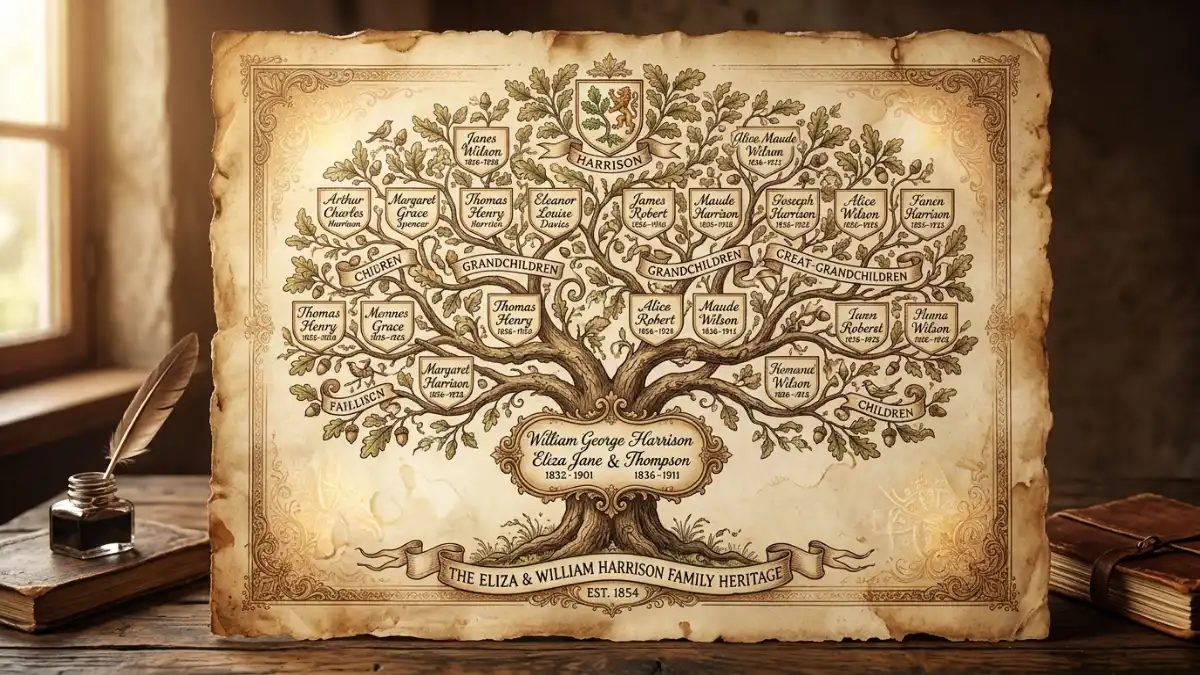
A middle name often sits quietly between a first name and a surname, rarely used in daily conversation yet surprisingly rich with meaning.
For some people, a middle name honors a beloved grandparent. For others, it preserves cultural heritage, carries spiritual significance, or simply makes a full name sound more complete. While many people rarely use their middle names, these hidden pieces of identity often tell some of the most meaningful stories within a family’s naming tradition.
If you’ve ever wondered why people have middle names, where the tradition came from, and If middle names still matter today, the answer is more fascinating than you might expect.
Featured Snippet
People have middle names for several reasons, including honoring family members, preserving cultural traditions, distinguishing individuals with common names, expressing personal identity, and improving the flow of a full name. Middle names became increasingly common in Europe and North America over the last few centuries and continue to serve both practical and emotional purposes today.
Middle Names at a Glance
| Purpose | Why It Matters |
| Family Honor | Preserves family legacy |
| Cultural Tradition | Reflects heritage and customs |
| Identity | Adds individuality |
| Practical Distinction | Separates people with similar names |
| Religious Significance | Honors faith or spiritual figures |
| Personal Expression | Allows creativity in naming |
| Name Flow | Improves rhythm and balance |
| Generational Connection | Links children to ancestors |
The Historical Origins of Middle Names
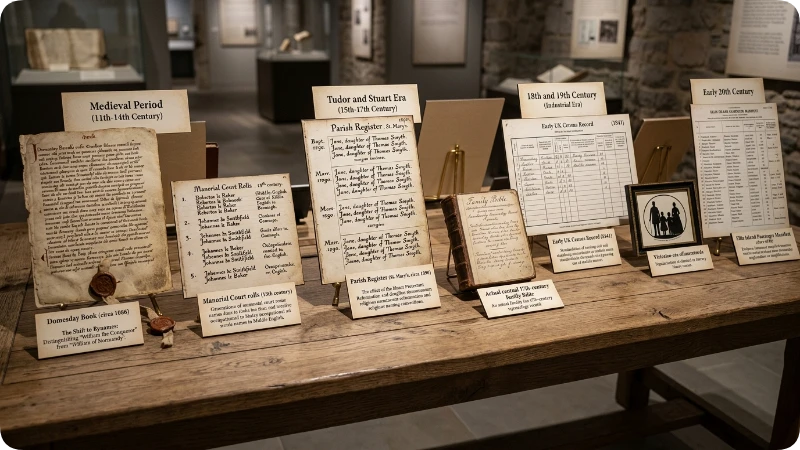
Middle names have not always been common.
For much of history, many people had only a single given name. As populations grew and societies became more complex, additional naming elements became useful for identification.
In parts of Europe, middle names became associated with:
- Noble families
- Religious traditions
- Family inheritance
- Honor names
- Social distinction
Over time, the practice spread across different social classes and eventually became a common naming custom in many countries.
Today, middle names are particularly widespread in North America, Australia, New Zealand, and parts of Europe, though naming customs vary greatly around the world.
Honoring Family Through Middle Names
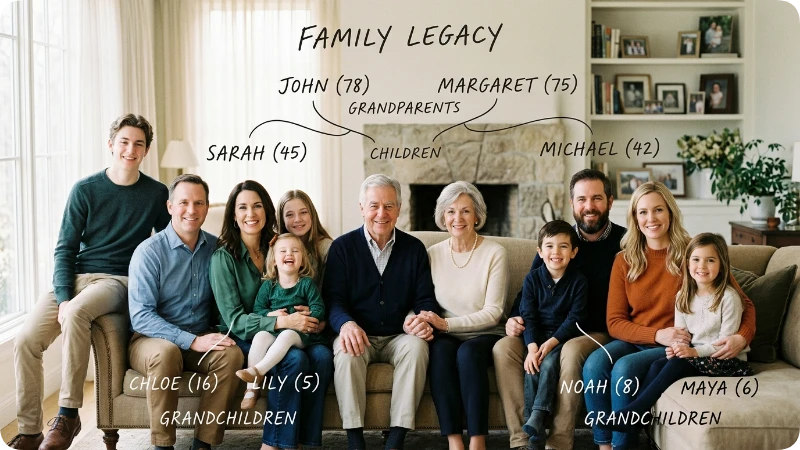
One of the most common reasons people have middle names is to celebrate family connections.
A Living Family Tribute
Parents often choose middle names to honor:
- Grandparents
- Great grandparents
- Parents
- Siblings
- Important relatives
- Family friends
For example:
- Emma Rose may honor Grandma Rose.
- James William may continue a family tradition spanning generations.
These names act as emotional bridges between past and future.
Many families view middle names as quiet heirlooms passed from one generation to the next.
Middle Names as Cultural Identity
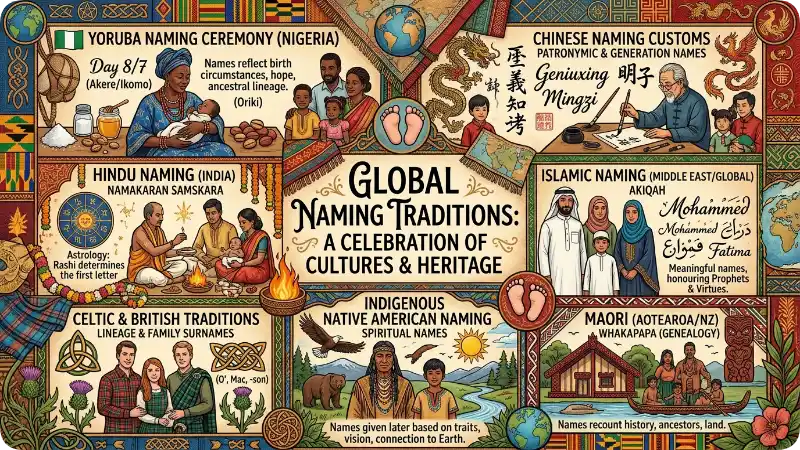
Middle names often help preserve cultural roots.
Heritage in a Name
Different cultures use middle names in unique ways:
- Hispanic naming traditions may incorporate multiple family surnames.
- Irish families often honor saints or ancestors.
- Scandinavian traditions may reflect family lineage.
- African and Caribbean naming customs may include names tied to heritage, faith, or family history.
A middle name can help families maintain a connection to their ancestry while adapting to modern naming trends.
For multicultural families, middle names often become a meaningful way to celebrate more than one cultural background.
Why Middle Names Help Create Individual Identity

Imagine a classroom with three children named Olivia Johnson.
A middle name provides distinction.
More Than an Extra Name
Middle names can:
- Differentiate people with common names.
- Provide a professional alternative.
- Create a unique personal identity.
- Offer flexibility later in life.
Some individuals even choose to go by their middle names because it feels more authentic or distinctive.
Examples include:
- Grace Elizabeth Johnson
- Grace Amelia Johnson
- Grace Victoria Johnson
The middle name quietly transforms each identity.
The Emotional Meaning Behind Middle Names
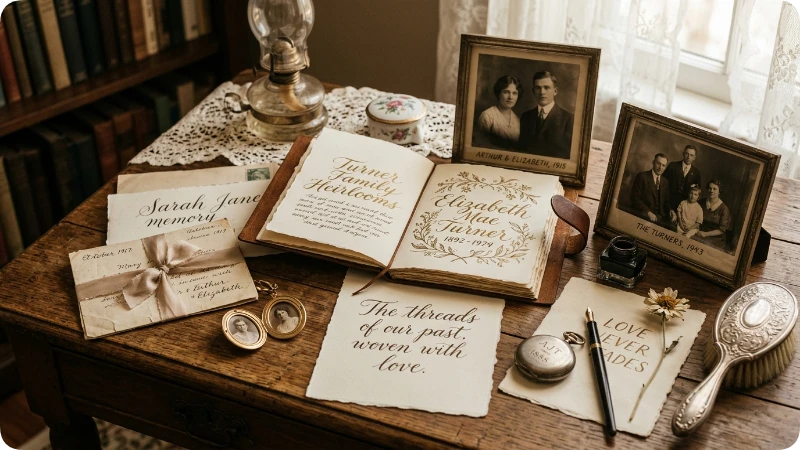
Middle names often carry deep emotional weight.
The Hidden Story
Unlike first names, which are used daily, middle names frequently hold private meaning.
They may commemorate:
- A loved one who passed away
- A family tradition
- A meaningful place
- A religious figure
- A special moment in a parent’s life
This emotional layer makes middle names one of the most personal parts of a person’s identity.
Many adults discover the significance of their middle names only later in life and develop a deeper appreciation for them.
Why Parents Still Choose Middle Names Today
Modern naming trends continue to evolve, but middle names remain surprisingly relevant.
Popular Modern Uses
Parents today often use middle names to:
- Balance unusual first names
- Add elegance to short names
- Preserve family traditions
- Introduce meaningful symbolism
- Experiment with creativity
For example:
| First Name | Middle Name | Effect |
| Luna | Catherine | Modern + classic |
| Noah | Alexander | Simple + distinguished |
| Ivy | Josephine | Soft + elegant |
| Theo | Gabriel | Contemporary + timeless |
Middle names often provide flexibility between modern trends and traditional values.
Types of Middle Names People Choose
Family Honor Names
- Marie
- James
- Elizabeth
- Thomas
Vintage Classics
- Rose
- Josephine
- Eleanor
- Catherine
Nature Inspired
- Willow
- River
- Sage
- Skye
Religious Names
- Grace
- Faith
- Gabriel
- Michael
Modern Creative Choices
- Nova
- Atlas
- Phoenix
- Journey
Each style serves a different emotional and aesthetic purpose.
Do Middle Names Matter Anymore?
Despite changing naming trends, middle names remain important for many families.
Reasons They Still Matter
- Preserve heritage
- Honor loved ones
- Improve name flow
- Create uniqueness
- Offer personal flexibility
- Add depth to identity
Even people who rarely use their middle names often appreciate the story behind them.
In an era where individuality matters more than ever, middle names continue to provide a meaningful layer of personal identity.
Frequently Asked Questions
Why do people have middle names?
People have middle names to honor family members, express cultural identity, distinguish individuals with similar names, and add personal meaning to a full name.
When did middle names become common?
Middle names gradually became more common in Europe and North America over the last few centuries, particularly among families seeking distinction or honoring relatives.
Are middle names required?
No. Many countries do not legally require middle names, and some cultures traditionally do not use them.
What is the purpose of a middle name today?
Today, middle names primarily serve emotional, cultural, family, and personal identity purposes.
Can someone have more than one middle name?
Yes. Many people have two or more middle names depending on family traditions, cultural customs, or personal preferences.
Conclusion
Middle names may seem like small details, but they often carry some of the biggest stories.
They honor grandparents, preserve heritage, celebrate faith, strengthen family traditions, and give individuals a unique layer of identity. While first names are usually the names we share with the world, middle names often hold the quieter, more personal narratives that connect us to our families and histories.
In many ways, a middle name is more than an extra name, it’s a bridge between generations, cultures, and personal meaning.
If chosen for elegance, remembrance, tradition, or individuality, middle names continue to play a valuable role in how people express who they are.
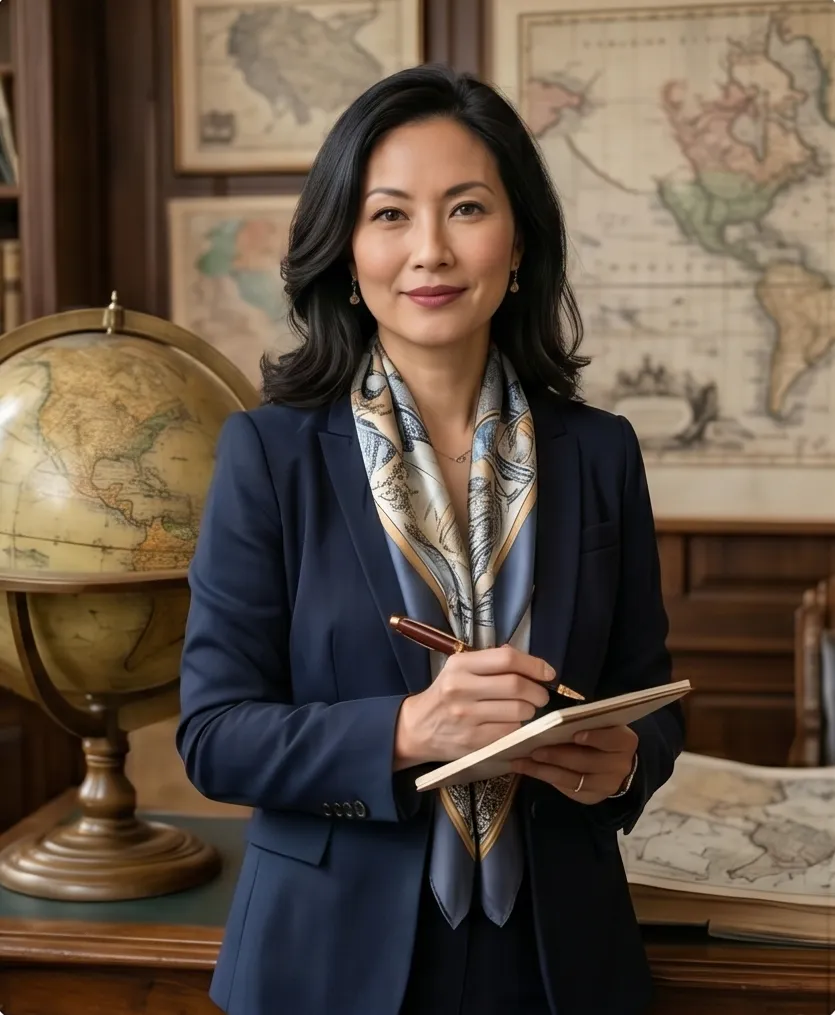
Sophia explores the history, global origins, and deep etymology behind popular and rare names. She curates beautiful, meaningful baby name guides and historical name lists for families and researchers. She also enjoys learning new languages and traveling.